DIC Corporation (hereafter “DIC”) and Toyo Ink Co., Ltd. (hereafter “Toyo Ink”), part of the artience Group, announced on October 7, 2026 that they have formulated an “industry-wide common protocol” for evaluating, using a shared methodology, how easily film packaging (flexible packaging) can be converted into material for recycling. The protocol standardizes evaluation methods for the removal of printing ink and the separation of film layers—both of which are critical factors when converting flexible packaging into recycled plastic. The two companies describe this as an industry first. The protocol is intended to allow the ease of recycling of different companies’ materials to be evaluated and compared against a common standard across the entire domestic supply chain.
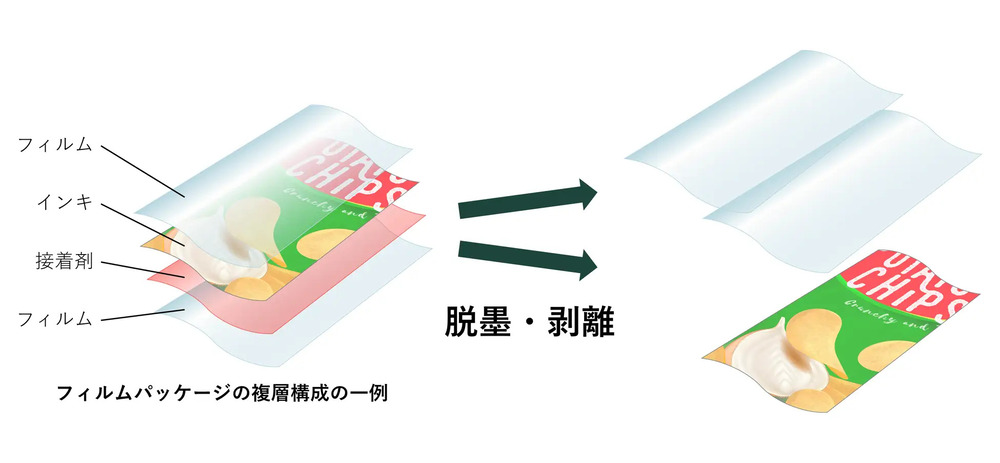
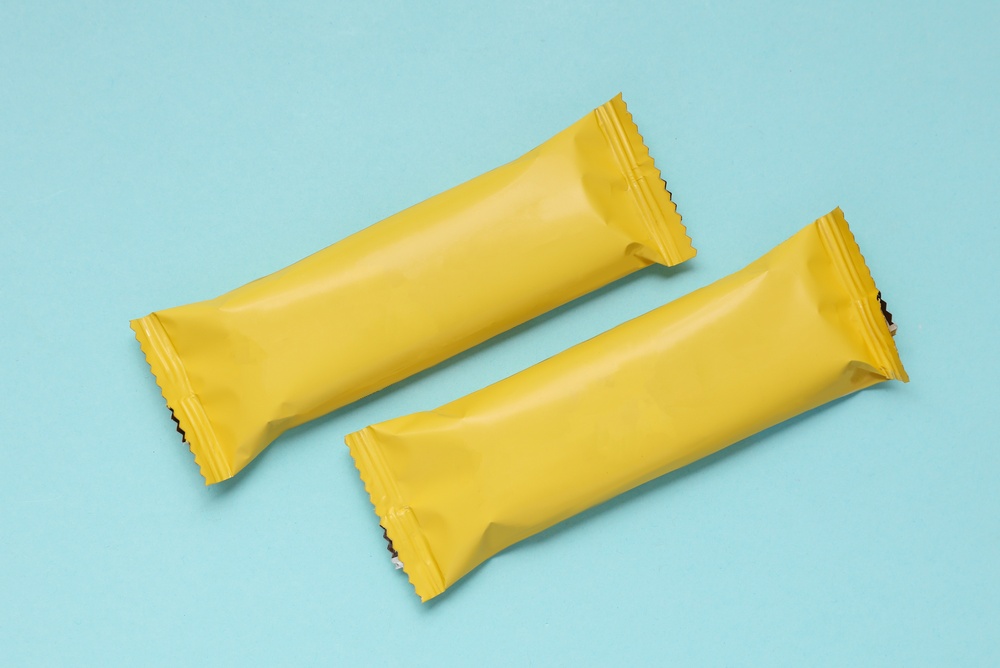
Flexible packaging, which is used widely across sectors such as food, daily necessities and pharmaceuticals, offers excellent functionality in terms of protecting contents, reducing weight and improving transport efficiency. However, because it must fulfill different functions depending on its application, it is typically composed of multiple materials, including film, printing ink and laminating adhesive. To convert used flexible packaging into high-quality recycled plastic for circular use, two processes are essential: “deinking,” which removes printed ink, and “delamination,” which separates layered films from one another. Until now, each company has evaluated deinking and delamination performance using its own test conditions and criteria, making it difficult to compare results across different companies and materials. The lack of standardized evaluation items and reporting formats has also posed a challenge to considering recyclability at the packaging design stage and to sharing information among stakeholders. Because such challenges are difficult for individual companies to resolve on their own, there has been a need to establish an evaluation framework that can be used in common across the entire supply chain.
This protocol was developed through collaboration between DIC and Toyo Ink—both of which represent the printing ink industry—who set aside competitive considerations to pool their respective knowledge of printing inks, laminating adhesives and recycling technologies. The protocol consists of three elements: “test procedures,” “evaluation criteria” and “reporting format.” The test procedures clarify the equipment to be used, test conditions, material handling and operating steps, improving the reproducibility of tests. The evaluation criteria establish standards for judging the state of deinking and delamination as well as the quality of the resulting recycled plastic. The reporting format organizes test conditions and results using a unified format, making it easier for stakeholders to share and compare results.
In Europe, evaluation methods and design guidelines for the recyclability of flexible packaging have already been established. In 2018, Europe’s RecyClass published a recyclability evaluation protocol for PE film. Developed in collaboration with the Association of Plastic Recyclers (APR), the protocol reproduces recycling processes—such as shredding, washing, sink-float separation, extrusion and film forming—at laboratory scale, and evaluates whether new technologies or materials, such as inks, adhesives and non-PE layers, adversely affect the recycling process or the quality of the recycled PE. Separately, CEFLEX, an initiative aimed at achieving a circular economy for flexible packaging, has developed “Designing for a Circular Economy (D4ACE),” a design guideline for polyolefin-based flexible packaging based on European sorting and recycling processes, which sets out design guidance on materials, barrier layers, inks and adhesives to be used. Between 2022 and 2024, CEFLEX conducted sorting and material recycling tests using more than 600 samples, and updated the guideline in 2025 to reflect the results.
The two companies expect that use of this new protocol will bring the following benefits to each stakeholder in the supply chain. Converters, who handle the printing and processing of packaging materials, will find it easier to select printing and processing conditions and materials that take recyclability into account. Brand owners—manufacturers of products such as food and daily necessities—will be able to more easily select packaging materials with high recyclability based on objective data. Recyclers, who are engaged in material recovery, will be able to set appropriate processing conditions suited to specific material properties and improve the quality of recycled plastic.
【Press release】DIC and artience Establish Industry’s First Common Protocol for Evaluating the Recyclability of Film Packaging
【Reference】Is your plastic film recyclable? Test it! (RecyClass)
【Reference】Recyclability Evaluation Protocol for PE Films (RecyClass)
【Reference】Testing: Introduction (CEFLEX D4ACE)
【Related article】PepsiCo and Other Major Food Companies Trial Digital Watermark Technology for Food Flexible Packaging Recycling in Belgium
【Related article】UK Joint Fund Launches Flexible Packaging Research Project, Targeting 400,000 Tonnes of Circulation by 2030
【Related article】Europe’s RecyClass Establishes Design-for-Recycling Standards for Automotive and Electronics Sectors to Promote Recycling of Complex Materials