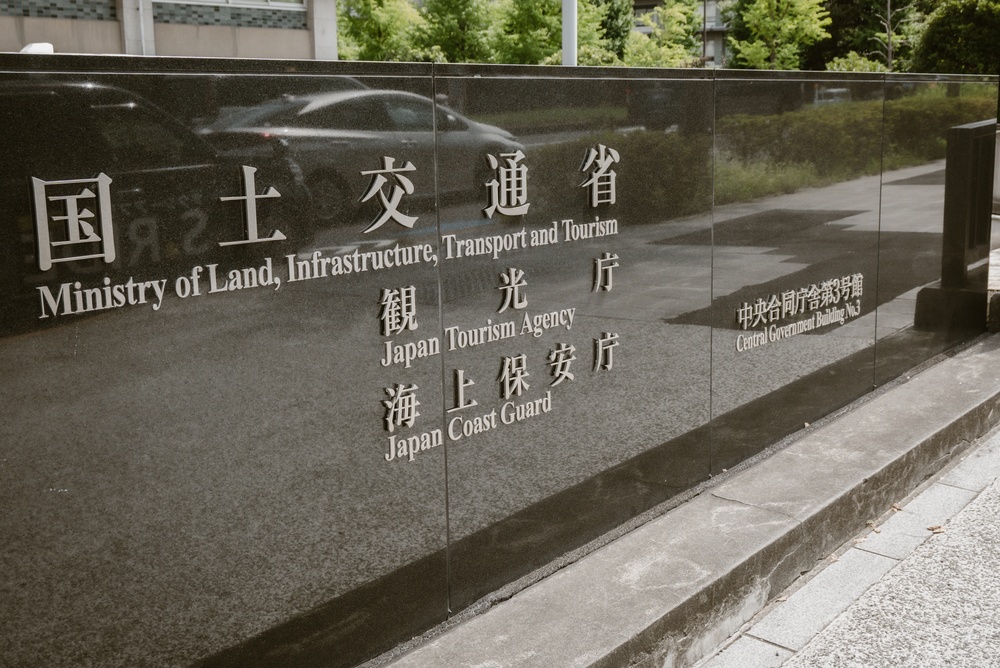
On August 27, the Port and Harbour Bureau of the Ministry of Land, Infrastructure, Transport and Tourism (MLIT) announced the inaugural designation of 29 ports as “Circular Economy Ports” (循環経済拠点港湾; ports serving as hubs for the circular economy), as part of efforts to advance the circular economy. This is the first time such a designation has been made.
Circular Economy Ports are ports that work to establish logistics network hubs for recyclable resources and to attract industries with advanced recycling technologies. As the volume and variety of recyclable resources being transported continues to grow, these ports address a range of social demands surrounding the circular economy—including meeting transportation needs for small-lot recyclable resources and implementing measures to prevent adverse effects on the surrounding environment and other cargo from handling such materials. The designation aims to be realised through collaboration among diverse stakeholders, including port authorities, recycling-related companies, logistics operators, and relevant government ministries.
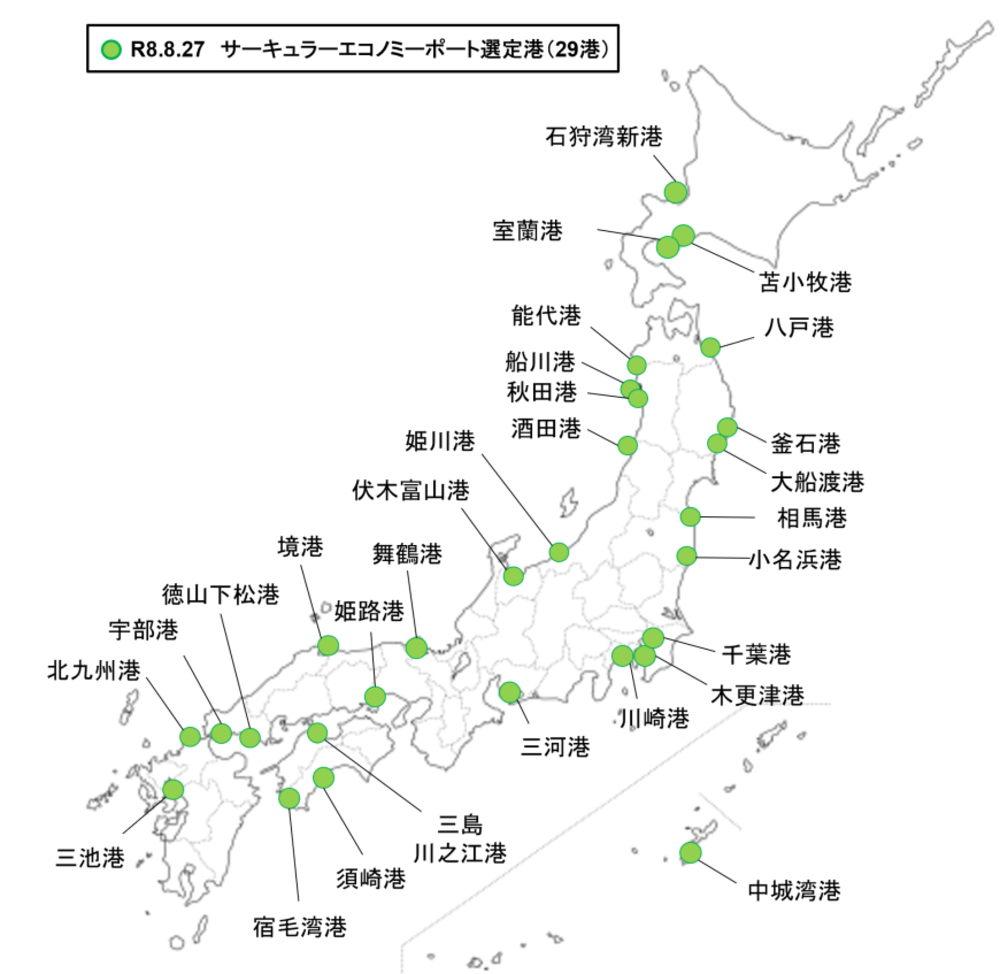
MLIT reviewed the designation applications submitted by candidate ports. As a result, all designated ports were recognised for their track records and plans contributing to the circular economy across areas such as: handling of port cargo related to the circular economy; the siting of advanced sorting and material recovery facilities; transportation of small-lot and diverse recyclable resources; development of cargo-handling environments; and improved transport efficiency through inter-port coordination.
To support the efficient handling of recyclable resources, the MLIT Port and Harbour Bureau is providing assistance for the development of recyclable resource handling support facilities—used by port authorities and others for the storage and keeping of recyclable resources at ports. In addition, the Ministry of the Environment’s Environmental Regeneration and Resource Circulation Bureau plans to support port authorities and others in developing cargo-handling equipment for recyclable resources at ports through its “Recycled Material Supply Chain Development Support Programme.” It has been announced that applications for such development at designated Circular Economy Ports will receive additional points during the eligibility review process.
【Press Release】Inaugural Designation of Circular Economy Ports! — Promoting Wide-Area Resource Circulation Through the Development of Port-Centred Logistics Systems
【Related Article】MLIT Launches First “Circular Economy Port” Recruitment Drive, Aiming to Promote Wide-Area Resource Circulation with Ports at the Core