TRE Holdings, Nippon Light Metal Holdings, and Mizuho Bank announced on October 13, 2026 that a consortium formed by River Co., Ltd. (a consolidated subsidiary of TRE Holdings), Nippon Light Metal Co., Ltd. (a consolidated subsidiary of Nippon Light Metal Holdings), and Mizuho Bank, Ltd. has been selected for the Ministry of the Environment’s “Fiscal Year 2026 Commissioned Demonstration Project for Overall Optimization of Renewable Energy-Related Products and Base Materials toward Building a Domestic Resource Circulation System.” River will serve as the lead operator, with Nippon Light Metal and Mizuho Bank participating as joint implementers and Mizuho Leasing Co., Ltd. taking part as a cooperating company.
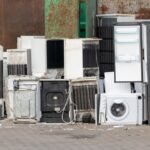
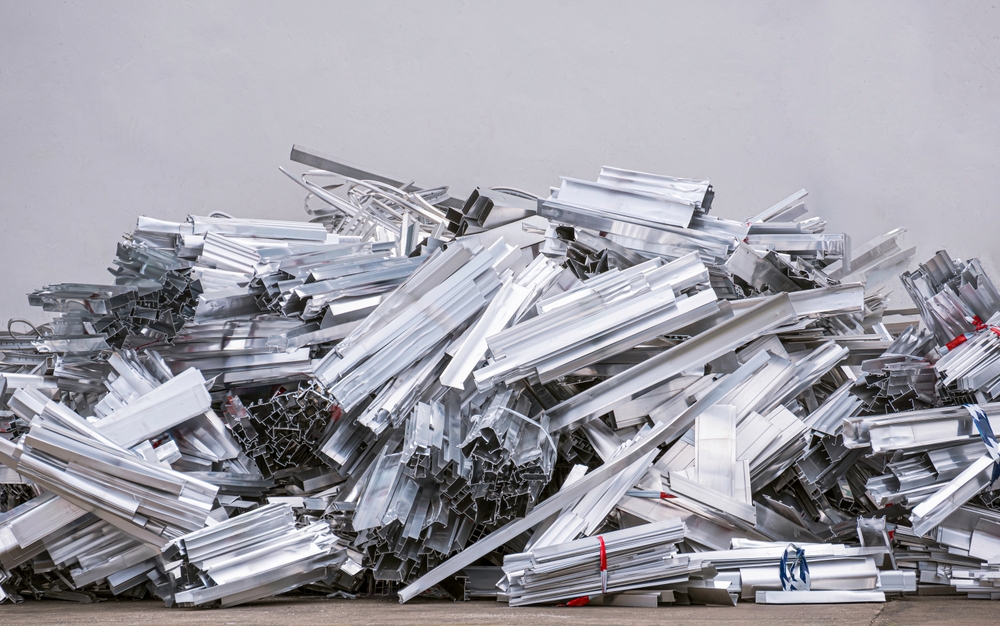
This demonstration project deals with mixed aluminum scrap recovered from end-of-life products and metal scrap. While some areas, such as beverage cans, already have relatively well-established collection and material recovery systems, this project is distinctive in that it targets scrap of varying origin and condition with inconsistent quality. Much of this type of scrap has traditionally been used as raw material for cast products or exported overseas.
To reuse such scrap domestically as raw material for “wrought aluminum,” which is processed into sheets and extruded shapes, it is necessary to sort the material by alloy type (grade) and remove impurities. In this demonstration, River will first carry out pre-processing using its wet specific-gravity sorting facility—one of the largest of its kind in Japan—followed by a multi-stage sorting process combining X-ray sorting, which distinguishes materials based on differences in X-ray penetration, and sorting using a state-of-the-art LIBS (laser-induced breakdown spectroscopy) sorter. Through this process, the project aims to clarify the conditions required for closed-loop (bottle-to-bottle style) recycling into wrought aluminum products.
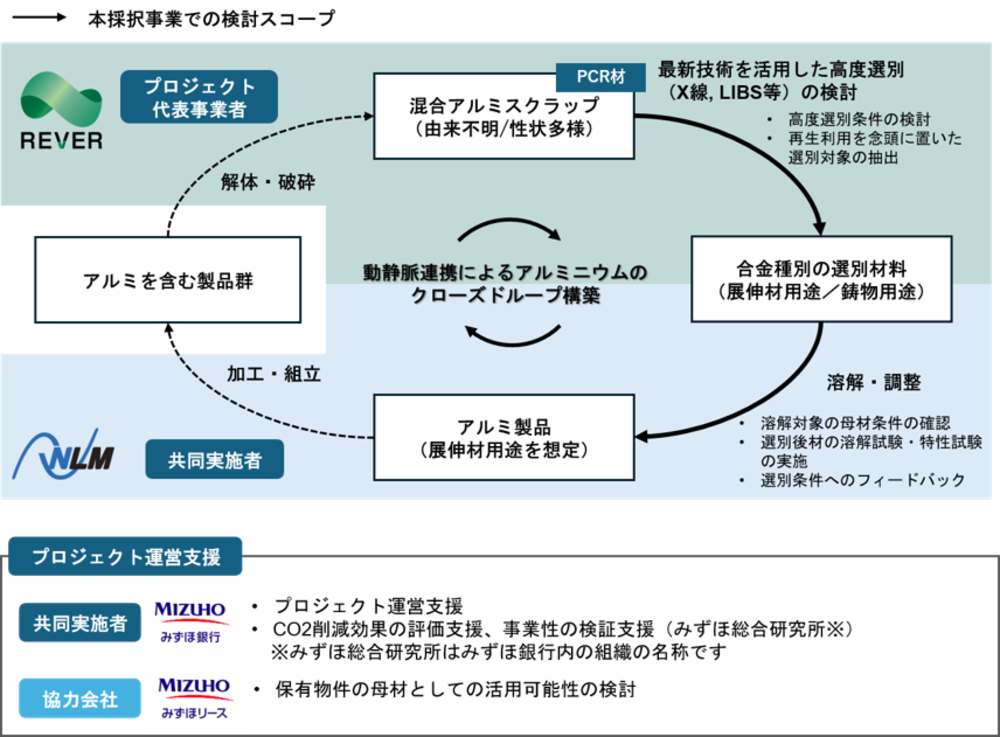
The demonstration project focuses on three main areas:
- Verification of sorting and quality: Examining how sorting accuracy varies depending on the particle size of the scrap. The sorted raw material will also be actually melted down, with its composition adjusted and quality evaluated, to determine what kinds of wrought aluminum products it could potentially be used for.
- Aligning requirements between the recycling side and the aluminum product manufacturing side: Working collaboratively to determine the optimal level of sorting from the perspective of the waste and recycling industry sorting the scrap, and the quality standards acceptable to manufacturers that will receive the material and produce finished products.
- Examination toward commercialization: Verifying the effects on reducing CO2 emissions and promoting domestic resource circulation, while also exploring exit strategies for commercialization—such as prospects for securing base materials and identifying which sectors are likely to have priority demand for recycled aluminum used in wrought products.
The three companies cite, as a technical challenge, the need to accurately sort scrap of varying origin and condition by alloy type even under conditions of large-volume processing. They also identify as a challenge the need to simultaneously achieve commercial viability and environmental benefits, such as reducing CO2 emissions and dependence on overseas supply.
Aluminum is a core material widely used in automobiles, building materials, home appliances, and beverage cans, among other applications. However, producing primary aluminum ingot requires large amounts of electricity, resulting in substantial energy-derived CO2 emissions across the supply chain. In addition, Japan relies entirely on imports for its primary aluminum ingot, creating procurement risk. Advancing aluminum resource circulation and reducing reliance on primary ingot is therefore important both for decarbonization and resource security. Recycled aluminum in particular can significantly reduce production-related emissions compared with primary ingot, making it important to increase its utilization rate even in wrought aluminum products, where the use of recycled raw material has traditionally been considered difficult. However, a system for circulating such material domestically as wrought aluminum has not yet been sufficiently established. This demonstration project represents an effort by the waste and recycling industry and manufacturers to collaborate in exploring the conditions needed to keep mixed aluminum scrap—previously diverted to casting applications or exported overseas—circulating within Japan.
※Images in this article are taken from the press release.
【Press release】Three-company consortium led by River Co., Ltd. selected for Ministry of the Environment’s “Fiscal Year 2026 Commissioned Demonstration Project for Overall Optimization of Renewable Energy-Related Products and Base Materials toward Building a Domestic Resource Circulation System” – A challenge toward achieving closed-loop recycling of mixed aluminum scrap for wrought aluminum applications
【Press release】Three-company consortium led by River Co., Ltd. selected for Ministry of the Environment’s “Fiscal Year 2026 Commissioned Demonstration Project for Overall Optimization of Renewable Energy-Related Products and Base Materials toward Building a Domestic Resource Circulation System”
【Reference】Results of the first round of public solicitation for the Fiscal Year 2026 Commissioned Demonstration Project for Overall Optimization of Renewable Energy-Related Products and Base Materials toward Building a Domestic Resource Circulation System
【Related article】Panasonic and three other companies to achieve closed-loop recycling of aluminum for EV batteries, cutting new ingot use by 200 tons per year