On October 27, 2026, the Ministry of the Environment announced the results of its public call for proposals for commissioned projects under the “FY2026 Project to Promote the Construction of a Decarbonized Circular Economy System (Plastics and Other Resource Circulation System Construction Demonstration Project).” Under the theme “Demonstration Project for Substituting Fossil-Resource-Derived Materials to Prevent Pollution from Microplastics,” the ministry selected one project submitted by Inaho Kako Co., Ltd.
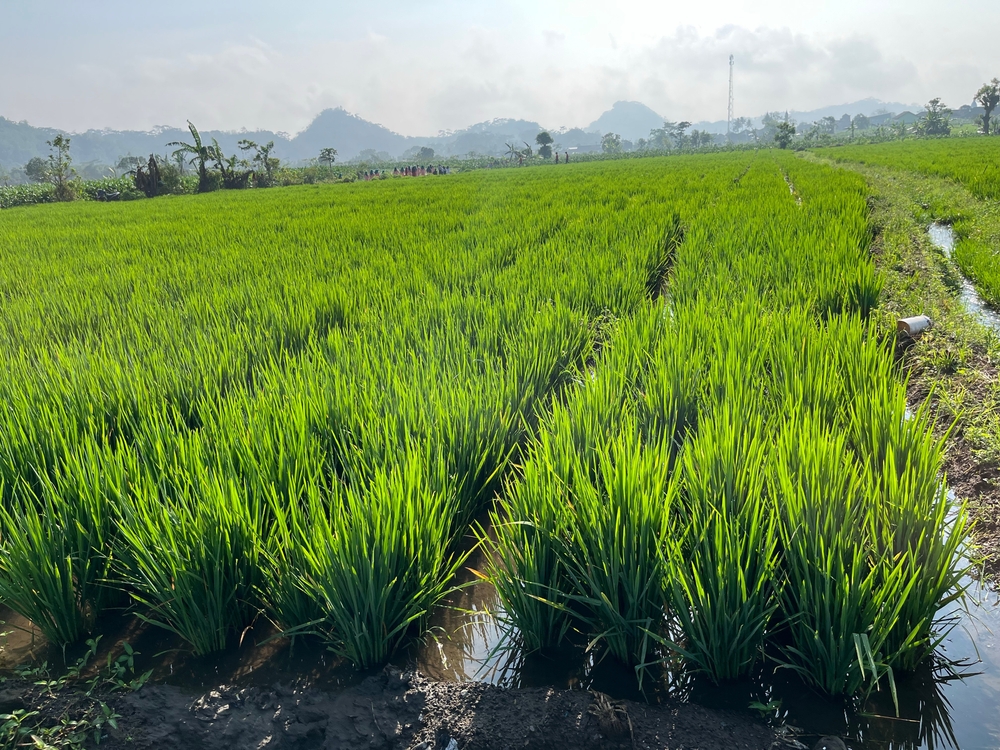
The selected project by Inaho Kako is titled “Development and Dissemination Demonstration of Green-Chemistry-Based, Slow-Release Coated Fertilizer Made from Biodegradable Resin Containing Rice as a Raw Material.” The project aims to develop and demonstrate a fertilizer that releases its components slowly by combining underutilized resources—such as rice unsuitable for consumption—with biodegradable resin. First, a material is created by blending rice with biodegradable resin. This material is then used to make two types of fertilizer: a “coated fertilizer,” in which fertilizer granules are covered with the material, and a “kneaded fertilizer,” in which fertilizer is mixed directly into the material. The manufacturing process uses methods that minimize the use of organic solvents, reducing environmental impact. The project will then conduct tests to measure how slowly nitrogen is released from the fertilizer in water, as well as field trials in actual paddies and farmland, to evaluate crop growth and fertilizer effectiveness.
This project aims to reduce the use and environmental leakage of non-biodegradable plastics while promoting the effective use of unused local resources and lowering the environmental burden of the manufacturing process.
Based on the basic principle of “3R+Renewable” set out in its “Plastic Resource Circulation Strategy” (formulated on May 31, 2019), the Ministry of the Environment is working to gradually phase out the conventional use of fossil-resource-derived plastics. As part of this effort, the ministry is promoting a shift toward renewable resources such as bioplastics, as well as the development of recycling processes for plastics and waste oil. The strategy sets a target of introducing approximately 2 million tons of biomass plastics by 2030. However, according to estimates by the Japan BioPlastics Association, domestic biomass plastic production in 2024 was only 118,600 tons, leaving a significant gap to the target.
The public call for proposals for FY2026 projects was conducted from April 17 to May 29, 2026. Applications were selected through a preliminary screening of application documents, followed by review by an evaluation committee composed of experts.
【Reference】Ministry of the Environment|Results of the Public Call for Proposals for the FY2026 Project to Promote the Construction of a Decarbonized Circular Economy System (Plastics and Other Resource Circulation System Construction Demonstration Project) (Commissioned Project)
【Reference】Ministry of the Environment|Project Overview (Inaho Kako Co., Ltd.)
【Reference】Ministry of the Environment|Plastic Resource Circulation Strategy (Overview)
【Reference】Japan BioPlastics Association
【Related article】Ministry of the Environment Selects Two Plastic Resource Circulation Demonstration Projects: Bioethanol-Derived Materials and Closed-Loop Recycling of Electrical Materials