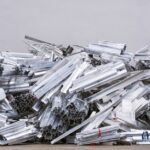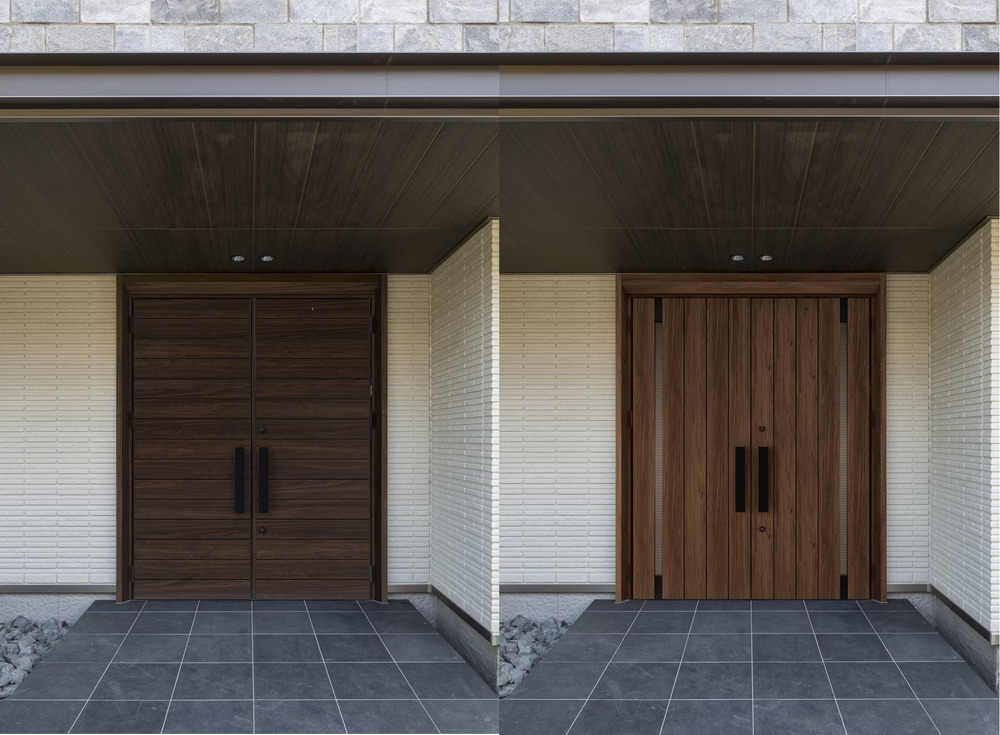
Sekisui House Co., Ltd. and LIXIL announced on August 3 that LIXIL’s low-carbon aluminium “PremiAL R100″—made from 100% recycled aluminium—has been adopted as standard in the aluminium components of Sekisui House’s highly insulated entry doors, the “H ins Reinas” and “H ins Tostallitte.” This is the first time PremiAL R100 has been adopted as standard in a residential product.
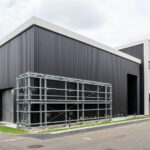
The two companies have also jointly established a closed-loop recycling scheme for aluminium building components, centred on Sekisui House’s resource circulation centre. Aluminium components generated at Sekisui House renovation sites are collected at the resource circulation centre, disassembled and sorted, and then supplied to LIXIL. LIXIL uses these materials as feedstock, reprocessing them with its proprietary technology to manufacture aluminium products including PremiAL R100. The scheme creates a domestic loop in which resources collected within Japan are recovered and utilised within Japan.
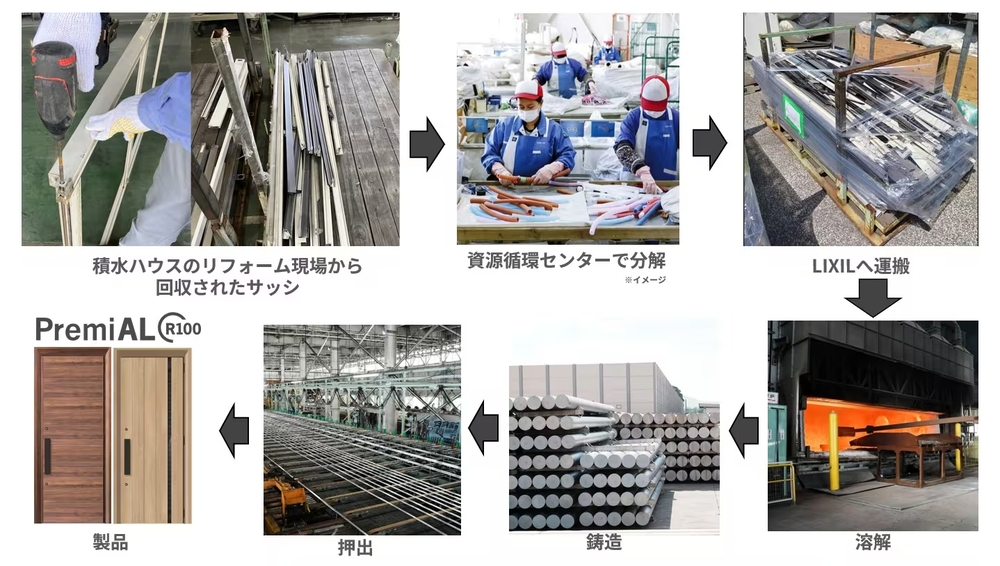
According to LIXIL’s calculations, PremiAL R100 reduces CO₂ emissions by approximately 80% compared with aluminium profiles made from 100% primary ingot, contributing to lower embodied carbon during construction. The product has obtained the environmental label “SuMPO EPD,” and a third-party body has verified and registered its CO₂ emissions from raw material procurement through to assembly and processing at 2.9 kg-CO₂eq per kilogram of aluminium profile.
Sekisui House is advancing its “Circular House (House to House) Project,” which aims to construct homes using only recycled components (including reused and renewable materials).
Under its environmental vision for 2050, “Zero Carbon and Circular Living,” LIXIL has set a target of achieving 100% recycled aluminium in its housing business by the fiscal year ending March 2031; its current average recycled aluminium usage ratio stands at 86%, among the highest in the industry. A similar resource circulation scheme was also established in May 2026 with Asahi Kasei Homes and Asahi Kasei Reform, and has been in operation in the Kanto region since April of that year.
As background context, the Japanese government’s Circular Economy Action Plan sets a target of raising the proportion of recycled aluminium feedstock in domestic production of wrought aluminium products—which are widely used in construction and other sectors—to approximately 40% by 2030. However, the recycling rate for domestic wrought aluminium products is estimated to remain at around 34%, and according to data from the Japan Aluminium Association (an industry body), exports of aluminium scrap generated domestically increased from approximately 180,000 tonnes in 2018 to approximately 440,000 tonnes in 2022.
Sekisui House and LIXIL had previously collaborated on adopting “PremiAL R100” in non-residential projects; the standard adoption and establishment of the resource circulation scheme now extend that collaboration into the residential sector.
【Press Release】Sekisui House Adopts LIXIL’s Circular Low-Carbon Aluminium “PremiAL R100” with 100% Recycled Aluminium Ratio as Standard in Highly Insulated Entry Doors — A First for Residential Products in Japan — Closed-Loop Aluminium Recycling Scheme Established for Housing Components Toward Circular Economy Transition
【Reference Article】Chapter 4: Japan’s Future Circular Economy Vision Based on the Circular Economy Action Plan
【Reference Article】Circular Economy Action Plan (Draft)
【Reference Article】Asahi Kasei Homes, Asahi Kasei Reform and LIXIL Collaborate to Build Resource Circulation Scheme for Recovering and Recycling Used Aluminium Components
【Related Article】Closed-Loop Recycling of Window Glass from Home Renovations: Sekisui House, Daiei Kankyo and AGC Launch Japan’s First Pilot
【Related Article】Ministry of the Environment Announces “ESG Finance Awards Japan” Winners: DNP and LIXIL Receive Circular Economy Award
※ Images in the article are taken from the press release (H ins Reinas on the left, H ins Tostallitte on the right)