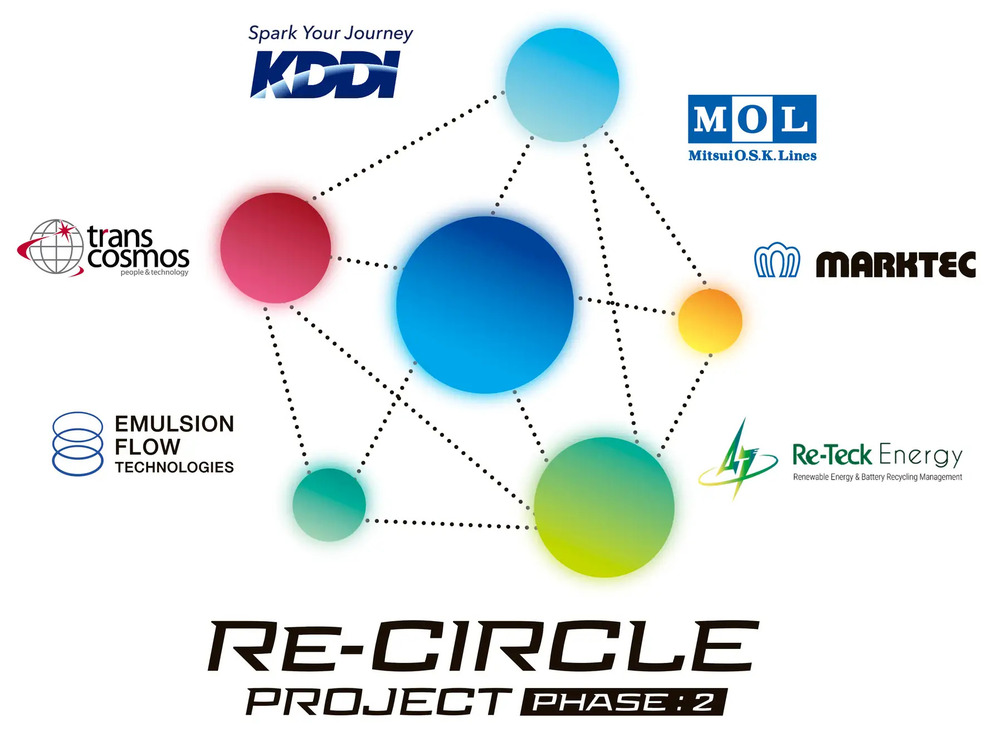
KDDI Corporation announced on August 21, 2026, in collaboration with Marktec Co., Ltd., Retech Renewable Energy Solutions Co., Ltd., Emulsion Flow Technologies, Inc., Mitsui O.S.K. Lines Logistics Co., Ltd., and transcosmos Inc., that prototype batteries produced using materials recovered from used lithium-ion batteries have been confirmed to deliver performance equivalent to prototype batteries made from virgin materials. The six companies described the result as a milestone toward achieving closed-loop (battery-to-battery) recycling, in which resources extracted from spent batteries are reused as battery materials.
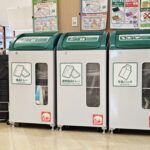
The demonstration was conducted as part of the “Re-CIRCLE Project,” a joint initiative by the six companies aimed at establishing a collection and resource circulation system for lithium-ion batteries and realising “sustainable recycling.” The project was carried out under a collaborative framework covering the entire supply chain required for the social implementation of resource circulation, from material recovery and regeneration through performance evaluation, logistics, and traceability. KDDI is responsible for building the resource circulation model by leveraging its existing collection touchpoints for used mobile phones and smartphones.
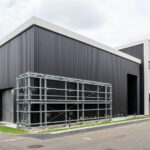
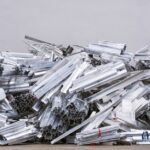
In this demonstration, cells recovered from used lithium-ion batteries were first processed by Retech Renewable Energy Solutions at a low-environmental-impact plant using a non-roasting treatment to produce high-purity black mass. Black mass is a black powder obtained by crushing and separating used batteries; it is a reusable intermediate material containing rare metals such as lithium, cobalt, and nickel.
Rare metals were then extracted from the black mass using “Emulsion Flow Technology,” developed by Emulsion Flow Technologies, Inc. This technology selectively separates and recovers rare metals using a solvent, and is said to enable recovery at lower cost and with higher efficiency and purity compared with conventional extraction methods.
The extracted rare metals were reused as cathode materials to complete the prototype batteries. Marktec was responsible for material evaluation, quality assessment, and performance verification of these recycled materials for use as battery components, evaluating multiple parameters including electrical conductivity, rate capability (resistance to fast charging and discharging), and cycle durability (resistance to degradation through repeated use). The results confirmed that the prototype batteries achieved performance equivalent to conventional batteries made using commercially available lithium raw material (lithium carbonate).
Mitsui O.S.K. Lines Logistics is responsible for verifying the transport of recovered materials and building a global supply chain. transcosmos is leveraging its expertise and solutions in digital transformation (DX) to promote the development and establishment of a circular economy and recycled-material supply chain.
Going forward, the six companies aim to accelerate the collection of used lithium-ion batteries based on the evaluation results, and to further improve the quality and optimise battery materials made from recovered resources. They also plan to advance the commercialisation of batteries and to develop transport and traceability frameworks that comply with domestic and international regulations.
【Reference Article】Successful Performance Evaluation of Lithium-Ion Batteries Using Recycled Materials
【Reference Article】Successfully Confirmed Battery Performance Equivalent to Virgin Materials Using Recycled Resources from Used Lithium-Ion Batteries
【Related Article】DOWA Eco-System Establishes Integrated Recovery Process for Lithium, Nickel, and Cobalt from Used Lithium-Ion Batteries
【Related Article】Panasonic and Sumitomo Metal Mining Collaborate on Closed-Loop Recycling of Lithium-Ion Batteries
※ The image at the top of this article is taken from the press release.