Kamakura, Kanagawa Prefecture, is widely recognised as a leader in circular city-building. The city has enshrined zero waste in its municipal policy and has topped Japan’s recycling rankings among mid-sized cities (populations of 100,000–500,000) for seven consecutive years, achieving a recycling rate of 59.8% in fiscal year 2024.
The Kamakura Circular Award, held in Kamakura since 2024, is now entering its third edition. The award was developed from the city’s “Zero Waste Kamakura” initiative and is designed to generate and energise circular economy businesses. It is divided into three categories — the Citizens’ Category, the Startup Category, and the Business Operators’ Category — and invites entries of ideas and ventures related to waste reduction and resource circulation, which are then recognised through the award process.
The Startup Category in particular has evolved significantly from last year. This year, the eligible geographic area has been expanded from Kamakura alone to the entire Miura Peninsula, and the thematic scope has grown beyond resource circulation (circular economy) to include “Nature Positive” (restoring biodiversity and putting nature on a path to recovery) and “One Health” (the integrated protection of human, animal, and environmental health). The aim is to co-create a diverse, circularly symbiotic society. In addition, the application format has been split into two tracks to support the creation of sustainable, locally rooted businesses.
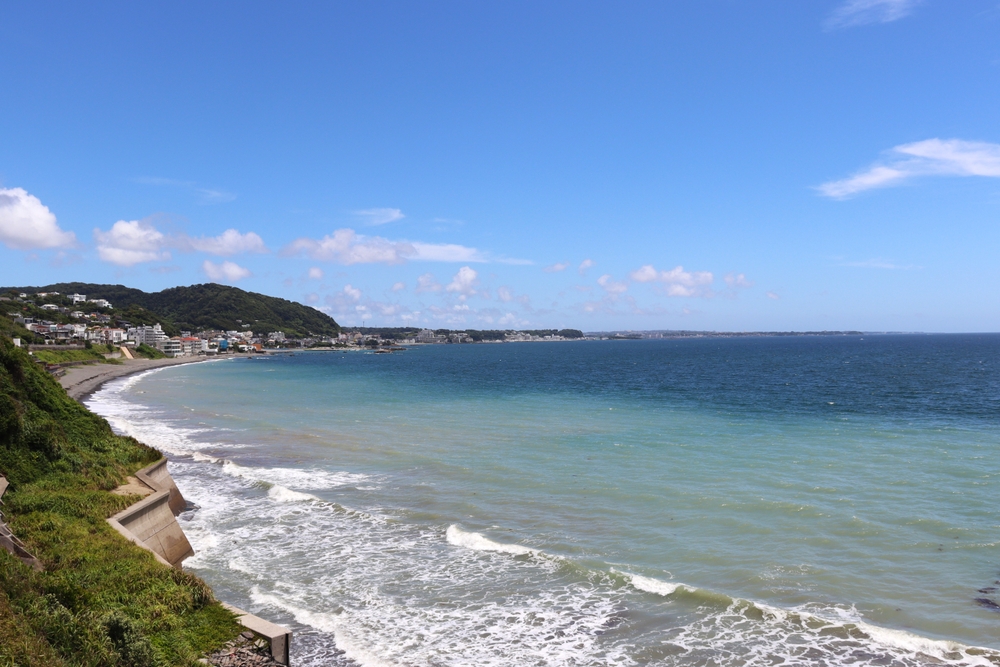
The first track is the “Regional Collaboration Category (Type 1),” in which entrants work to solve real challenges faced by local businesses on the Miura Peninsula, including Kamakura. The goal is to create ventures deeply rooted in the characteristics of the area, starting from partnerships with local companies. The second track is the “Open Application Category (Type 2),” which invites freely conceived business plans grounded in the Miura Peninsula, including Kamakura, developed from the applicant’s own unique perspective.
Applications are open regardless of age, location, or corporate status, and entries from outside Kamakura are welcome. New this year are special prizes for applicants Under 18, Under 25, and Under 35, reflecting the award’s aim to attract an increasingly diverse range of participants.
In last year’s Startup Category, the Gold Award went to SlowFast Co., Ltd., which runs a children’s shoe collection and reuse business. The Silver Award went to Japan Biorefinery Co., Ltd., which focuses on utilising thinned bamboo, and the Bronze Award went to Quagga LLC, which operates “Trinico,” a food-loss reduction app for the Shonan area. A notable feature of all three winners is that they have moved beyond the concept stage to actual implementation. The Kamakura Circular Award is becoming a gateway for companies that want to nurture circular economy businesses while remaining rooted in the local community.
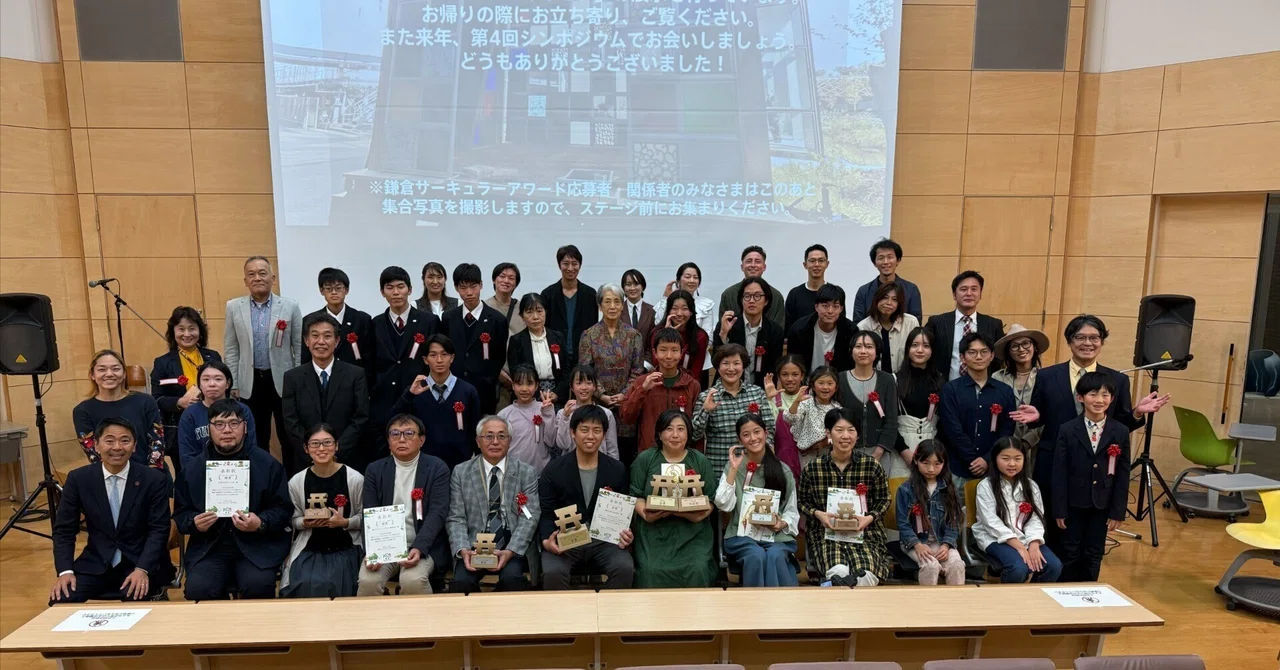
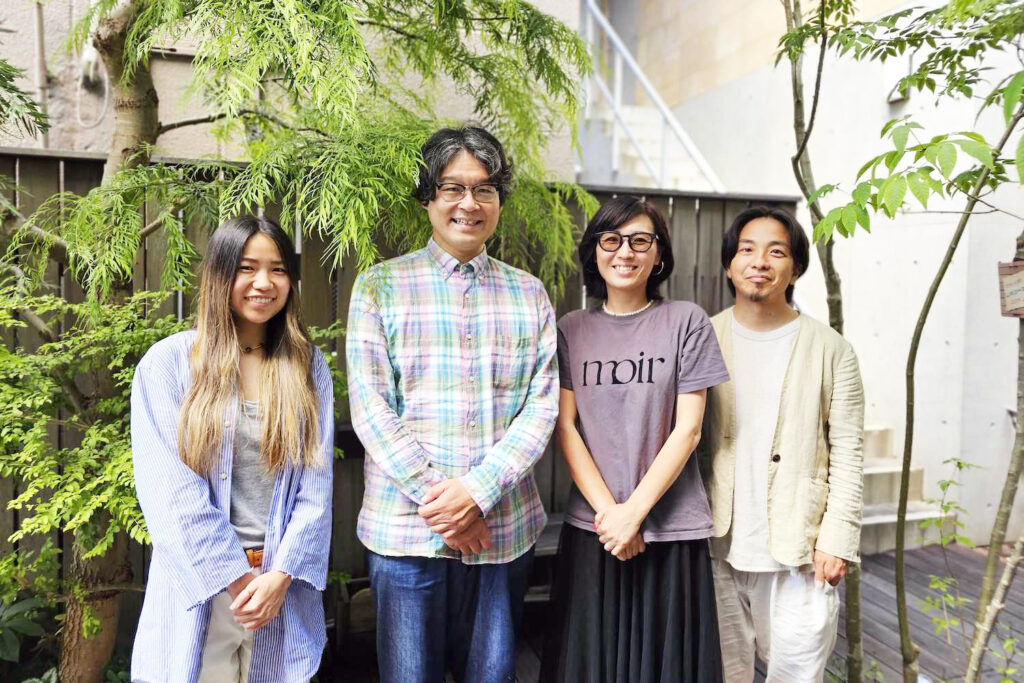
Now in its third year, the award’s Startup Category has undergone major changes — but what is the thinking behind them? We spoke with Hiroya Tanaka, the Executive Committee Chair of the Kamakura Circular Award, a professor at Keio University’s Faculty of Environment and Information Studies (SFC), and the project leader of the COI-NEXT Keio Kamakura Hub (a government-funded programme supporting co-creation of innovation between universities and communities).
Why the Theme Was Expanded from “Circular” to “Nature Positive”
In Japan, decarbonisation (carbon neutrality), the circular economy, and nature positivity are frequently cited as the three pillars of corporate environmental management and municipal environmental policy. The Kamakura Circular Award has until now centred its call for entries on the circular economy — so why has “Nature Positive” been added as a new theme this time?
Tanaka: “The circular economy, as originally articulated by the Ellen MacArthur Foundation in the UK, is built on three principles. The first is to eliminate waste and pollution. The second is to circulate products and materials at their highest value. The third is to regenerate nature. Over the past two years of the Circular Award, I felt that the first and second principles — waste reduction and resource circulation — had become well understood by participants. So this time, we wanted to advance toward the third principle, regenerating nature, which is why we added Nature Positive as a theme.”
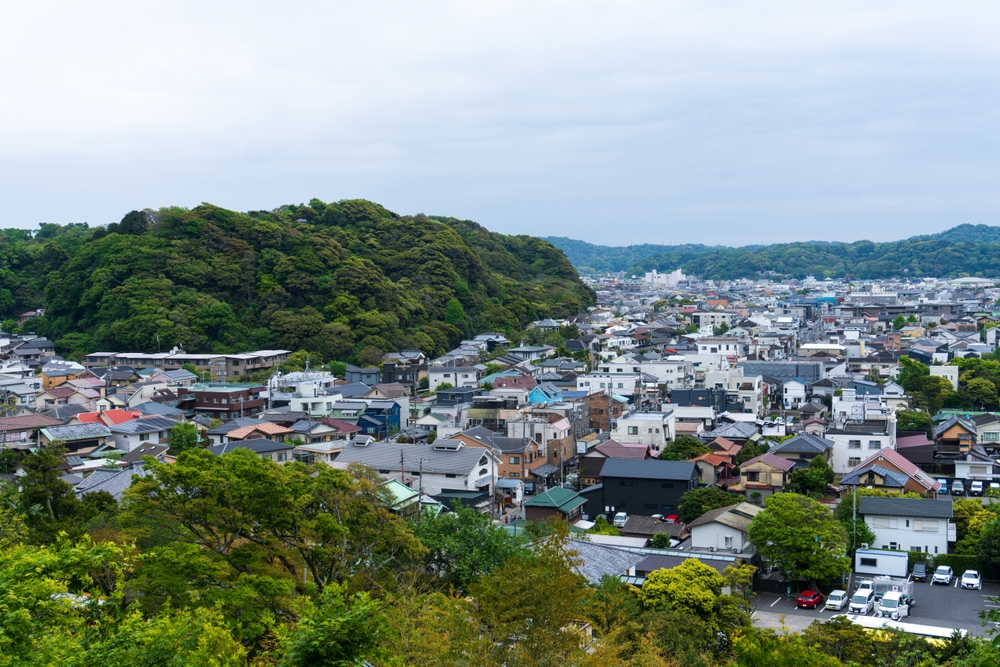
“That said, ‘nature’ actually encompasses many different kinds. There is the untouched wilderness of places like Mount Fuji or Sagami Bay, but there is also the nature that sustains human food production and industry — farming, fishing, and forestry. There is the nature of parks and tree shade that supports human interaction and community life. And there is the emerging nature of abandoned farmland and vacant lots created by depopulation. All of these diverse forms of nature exist across the area from Kamakura to the entire Miura Peninsula. The peninsula has both sea and mountains, residential and commercial areas, all coexisting within a relatively compact geography. That is why, alongside expanding the thematic scope, we also expanded the experimental field from Kamakura to the whole of the Miura Peninsula.”
Nature Positive as the Calibration of the Relationship Between Humans and Nature
Nature Positive — rendered in Japanese as 自然再興 (shizen saikō, “nature revitalisation”) — means halting and reversing the loss of biodiversity in order to put nature on a path to recovery. Yet as Tanaka points out, the word “nature” itself encompasses an enormous variety of things, which may make it difficult for many people to picture what a Nature Positive business actually looks like. Tanaka defines Nature Positive as “calibrating the relationship between humans and nature.”
Tanaka: “Nature Positive and One Health each have their own academic definitions, and policy targets such as 30×30 (the global goal of protecting 30% of land and ocean by 2030) are advancing. Kamakura has a place called Hiromachi Ryokuchi (a large urban green space), where biodiversity assessments are underway. This year’s award also includes specialists in Nature Positive on the judging panel — such as Osamu Saito of IGES (the Institute for Global Environmental Strategies) — so that academic perspective will be well represented.”
“However, ‘nature’ ranges from something small enough to fit in the palm of your hand, to the nature of a vast park, to the nature in a small neighbourhood park, to the invisible world of microorganisms — it is enormously diverse. In this call for entries, I would love for startups to bring their own unique sensibility and propose ideas along the lines of ‘this, too, could be a new kind of nature.’ Ultimately, what matters is how we can adjust the environment so that nature, humans, and other living beings can coexist. We have experts who can assess biodiversity and microbial diversity, so I would very much like to invite ideas for new forms of ‘nature’ that can coexist with urban spaces and human life.”
We hear the word “nature” constantly in everyday life, yet the image it conjures differs greatly depending on where and how one has grown up and currently lives. What counts as positive or negative also shifts depending on the species, the individual, and the time horizon involved — there is no single, absolute right answer. Set against the backdrop of the area stretching from nature-rich Kamakura to Fujisawa, entrants are challenged to discover “nature” through their own unique lens and translate that discovery into a business idea that enriches both people and the natural world. As with the circular economy theme, creative thinking will be essential this year too. The key is not to treat these concepts as separate silos, but to think about them in an integrated way.
Tanaka: “The world tends to treat circular economy, Nature Positive, and One Health as distinct concepts, but in the Kamakura model we want to nurture businesses where these converge — ventures that are simultaneously circular, nature positive, and one health, and that improve the relationships among humans, other living beings, and nature.”
What Makes the Kamakura Circular Award Distinctive?
In recent years, a growing number of local-government-led programmes have emerged with the aim of fostering circular economy startups and new business creation, so what sets the Kamakura Circular Award apart?
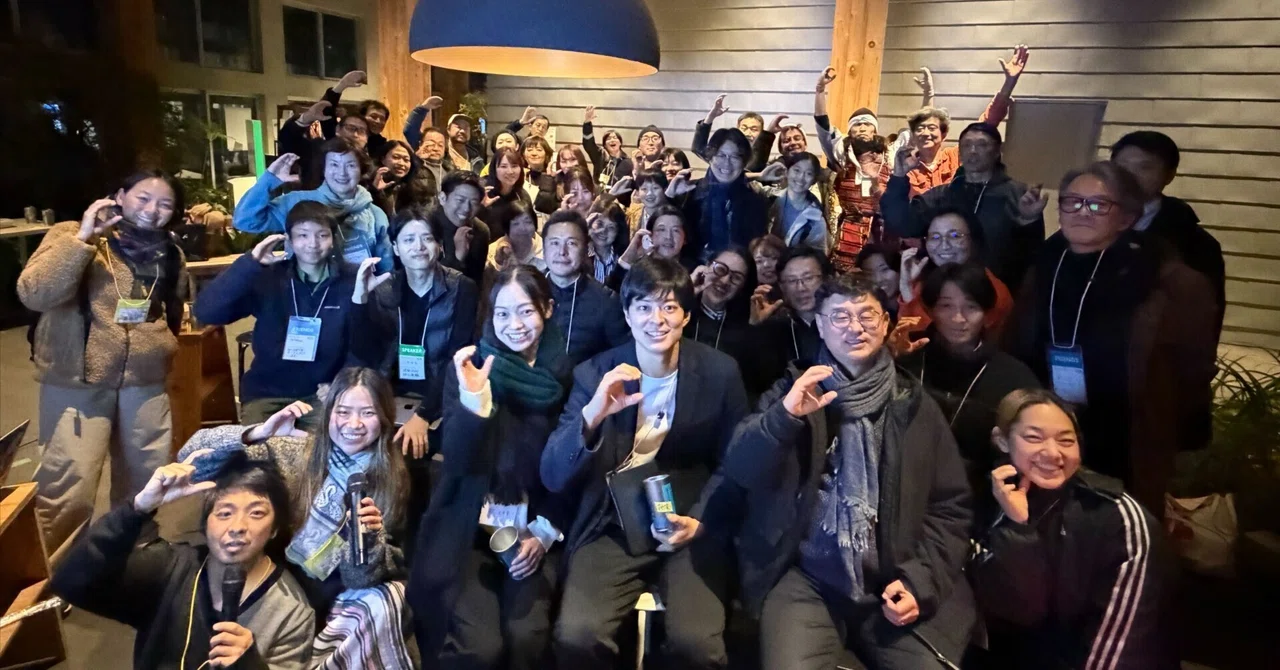
Tanaka: “The award is now in its third year, and over the past two years we have been building an environment where startups and new founders can operate comfortably. One distinctive feature is the Kamakura Circular Community. If you add up all participants across past award editions and the Circular Gathering events, the total comes to roughly 300 people across five occasions. Having an established circular community already in place is a significant asset.”
“A second feature is that developing a business idea requires real-world settings. Kamakura’s diverse experimental fields bring together practitioners from farming and fishing to forestry. The Regional Collaboration Category (Type 1) is specifically designed to connect applicants directly with those people.”
“The third feature is the presence of pioneers. Kamakura already has people who are running businesses that bridge circular economy and Nature Positive. For example, Naoko Minami of nalu has developed the Kamakura Steel Cup Project, which combines iron recycling with an ocean regeneration business that uses the recovered material. And Makers Shirt Kamakura, who are joining the judging panel for the first time this year, make shirts from 100% cotton with no synthetic fibres — shirts that are high-quality, long-lasting, and made entirely from natural materials, while also expanding their business internationally, including in New York. Having these trailblazers available to offer comments at the judging session is another concrete benefit we can offer applicants.”
“Those three things are the tangible value we can offer applicants beyond the prize money. But speaking more broadly, Kamakura is home to an overwhelmingly large number of residents who are highly receptive to environmental stewardship, sustainability, the circular economy, and Nature Positive — it is one of the most environmentally conscious communities in Japan. I hope that businesses will grow here by drawing on the awareness and behaviour of the city’s residents, and on the overall atmosphere and ethos that permeates the community. And for those who want to register their company headquarters here, that is also possible through Kankei Annaisho Hatsuhinode (a local community hub that also offers registered address services).”
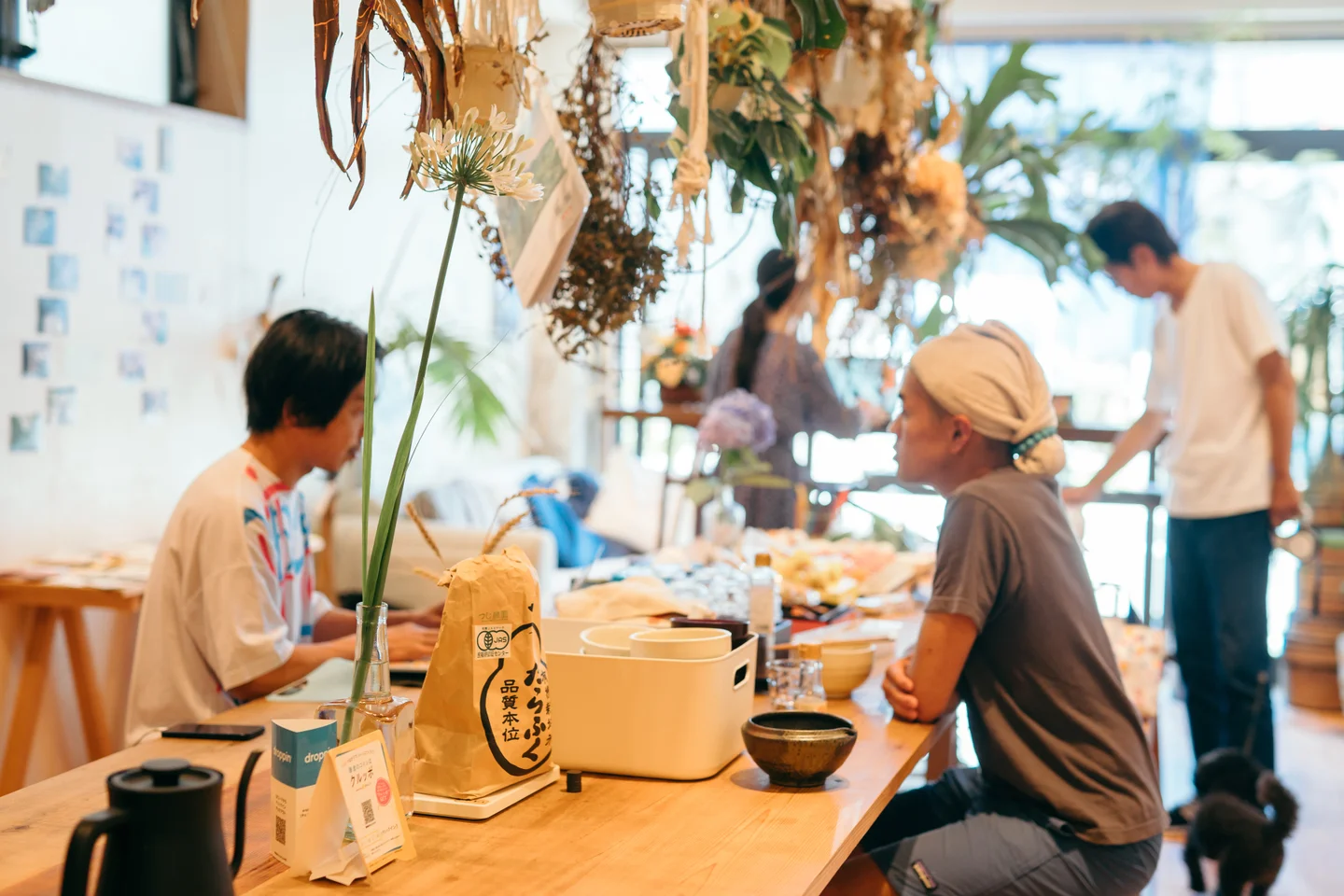
Kamakura already has pioneering examples of businesses that combine circular economy and nature themes. There are also fields where collaboration with primary-industry practitioners is possible, a citizenry with high environmental awareness ready to support such efforts, and above all, a community gathered around a shared vision. This invisible but rich web of relationships nurtured within the local area is set to become a powerful form of infrastructure for entrepreneurs who want to start new ventures in this space.
For Those Who Value the Right Pace Over Pure Speed
As noted above, Kamakura already hosts a kind of ecosystem centred on circular economy and nature themes — but what kind of person is best suited to building a business in this community?
Tanaka: “Although we call it a Startup Category, we are not really envisioning companies that accelerate too fast after launch and then quickly disappear. The initial launch is of course necessary, but what we want to see more of on the Miura Peninsula — including Kamakura — are sustainable companies that keep going without stopping, growing at an appropriate pace in terms of both the business itself and the number of employees. We call this ‘tekisoku’ — the right pace.”
“Mayor Takashi Matsuo’s 2029 Vision for Kamakura also sets a target of creating 1,000 small businesses employing 5,000 people, and frameworks to support B Corp certification (an internationally recognised standard for businesses that meet high standards of social and environmental performance) are under consideration. Our vision for the Startup Category is not one of IPOs, unicorns, or hypergrowth — it is to make this area a cluster of startups that want to do business with deep local roots and long-term commitment.”
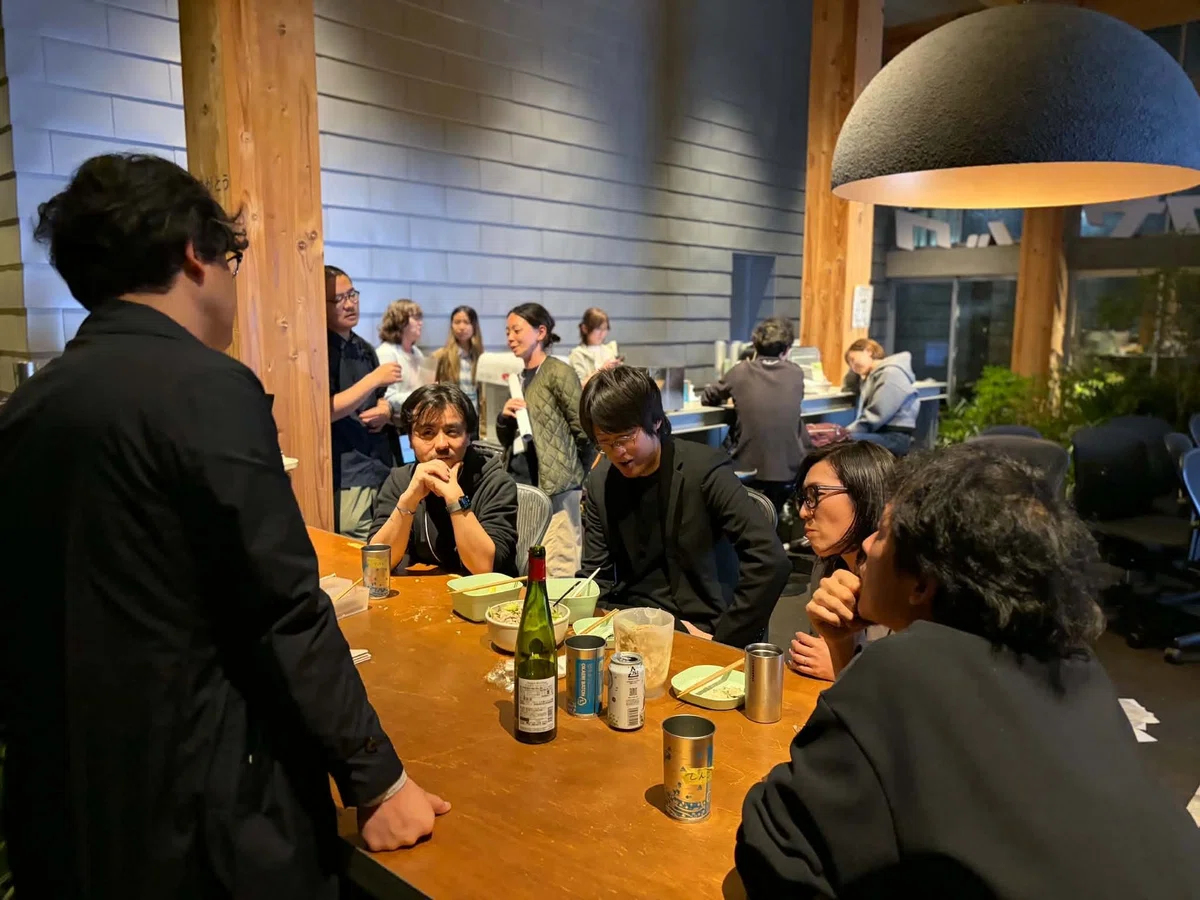
Conventional startup support programmes place their emphasis on “acceleration” — speeding up participants’ business growth, as the name suggests. Internationally, however, “decelerator” programmes have begun to emerge that deliberately slow the pace of business development and prioritise founder wellbeing and social purpose. The concept of “Post Growth Entrepreneurship” — which values long-term local and environmental sustainability and wellbeing over exponential scaling — has also gained traction.
The Startup Category of the Kamakura Circular Award aims for neither acceleration nor deceleration, but for “tekisoku” — nurturing businesses at the right pace, in a model where entrepreneurs and the local community grow together in a mutually beneficial relationship. Among entrepreneurs working on circular economy and nature themes, there are likely many who feel torn between the pursuit of business scalability and the pursuit of environmental and social value. Kamakura, it could be said, is precisely the right place for them.
The Value of Bringing Together Citizens, Local Businesses, and Startups
Alongside the Startup Category, the Kamakura Circular Award also features a Citizens’ Category — open to anyone with a connection to the Shonan area, whether as a resident or worker — and a Business Operators’ Category, open to businesses with a base (head office, branch, etc.) within Kamakura City. According to Tanaka, some participants each year are drawn specifically by the fact that all three categories coexist under one award.
Tanaka: “When I hear from past Startup Category winners over the two years, a great many of them speak enthusiastically about the value of having the Citizens’, Business Operators’, and Startup categories all under one roof. At the awards ceremony, seeing all three categories share the same stage moves people — they are genuinely touched to discover that there are residents who support circular businesses living right there in the community. There are also many local business operators who come up and say, ‘Let’s do something together.’ And these encounters don’t only happen at the awards ceremony symposium. At our ‘Circular Cheering’ events, held four times a year on a regular basis, we bring together people from all three directions — startups, citizens, and business operators — creating a community where new encounters and new connections emerge for everyone involved. You can also apply to all three categories, so please do consider entering with your family in the Citizens’ Category, and encourage any friends running businesses in Kamakura to apply in the Business Operators’ Category (laughs).”
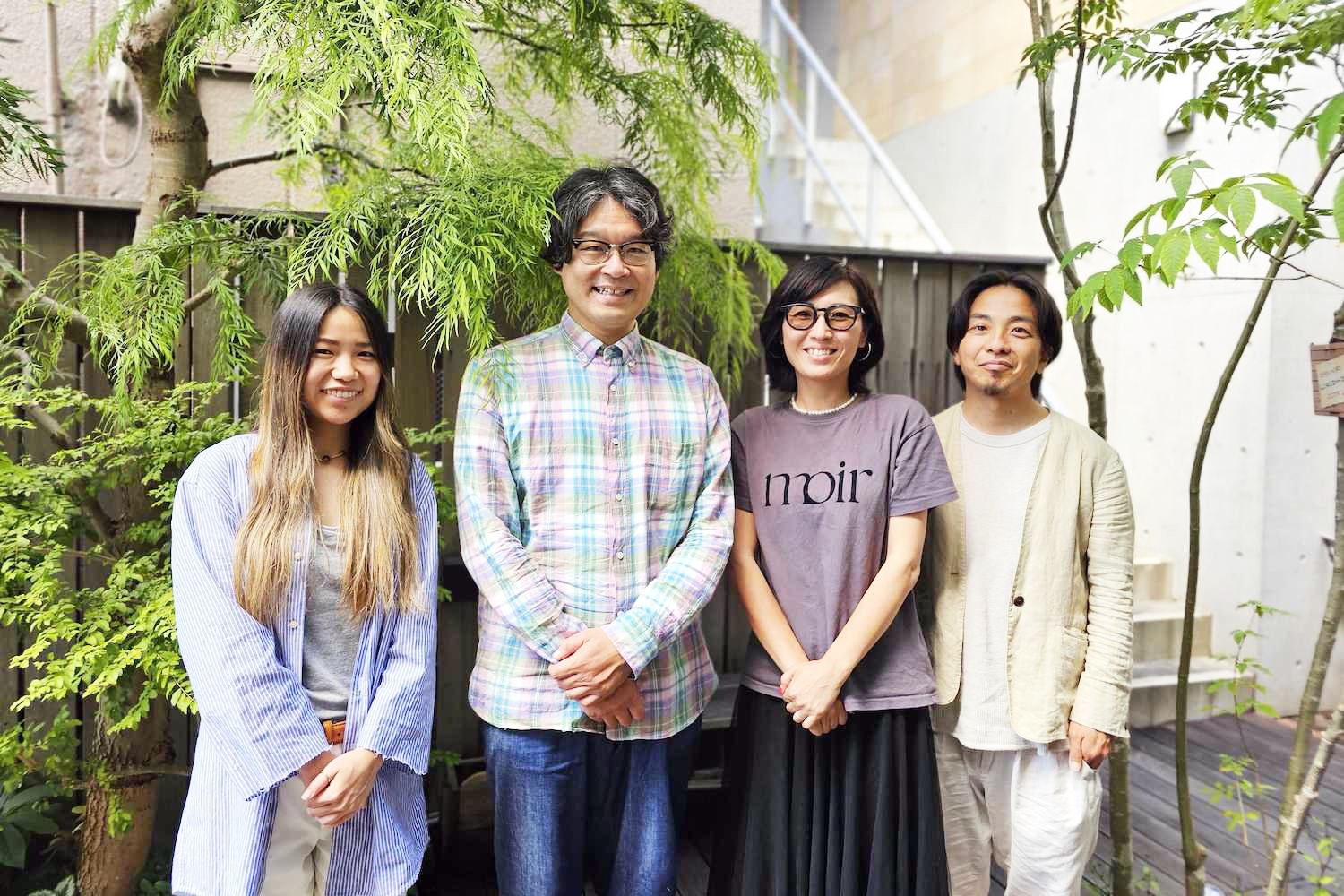
Editor’s Note
Throughout this interview, what came through consistently was the appeal of the human-and-nature ecosystem rooted in Kamakura. When you set out to start a new business in the circular economy or Nature Positive space, you find pioneers who can offer advice, academics with specialist knowledge, and local business operators ready to support and collaborate. That alone is reassuring — but Kamakura also has residents who actively cheer on new challenges.
And in Kamakura, surrounded on three sides by mountains and on one side by the sea, or along the beautiful Sagami Bay coastline that has shaped the Shonan area, the natural world is always close at hand to restore both mind and body. Being able to nurture a business while supported by these connections to people and to nature is, perhaps, the defining appeal of building a startup in Kamakura.
The Startup Category is open to applicants from anywhere in Japan. If you want to create a new business at your own “right pace,” engaging with a local community as you go, this could be the opportunity for you.
【Reference】Kamakura Circular Award
【Reference】Kamakura Circular Award Executive Committee on note
【Reference】JST COI-NEXT (a government programme supporting university-community co-creation hubs): “Symbiotic Upcycling Society” Co-Creation Hub Connected by Respect
【Related Article】Kamakura Circular Award: Creating Circular Startups Through a “Circulation of Knowledge” (Part 1) — In Conversation with the Organisers
(※ Circular Economy Hub is a media partner of the Kamakura Circular Award.)