As more brands launch repair services to advance sustainability and the circular economy, many people would still hesitate to say that repair has become part of everyday life. A major reason is that, in terms of both effort and cost, buying something new often wins out over repairing it. One factor behind this may be that brands on the supply side have weak incentives to invest in repair. Building some form of viable business model around it is key.
CYKLUS LLC’s core business is clothing repair and remake services, supplemented by peripheral activities such as supporting companies’ circular economy initiatives and planning and running circular-economy events. We spoke with Representative Director Takeo Hirata about the company’s vision for a society that values and continues using things carefully, and about the kind of regional community he hopes to nurture through repair and remaking.
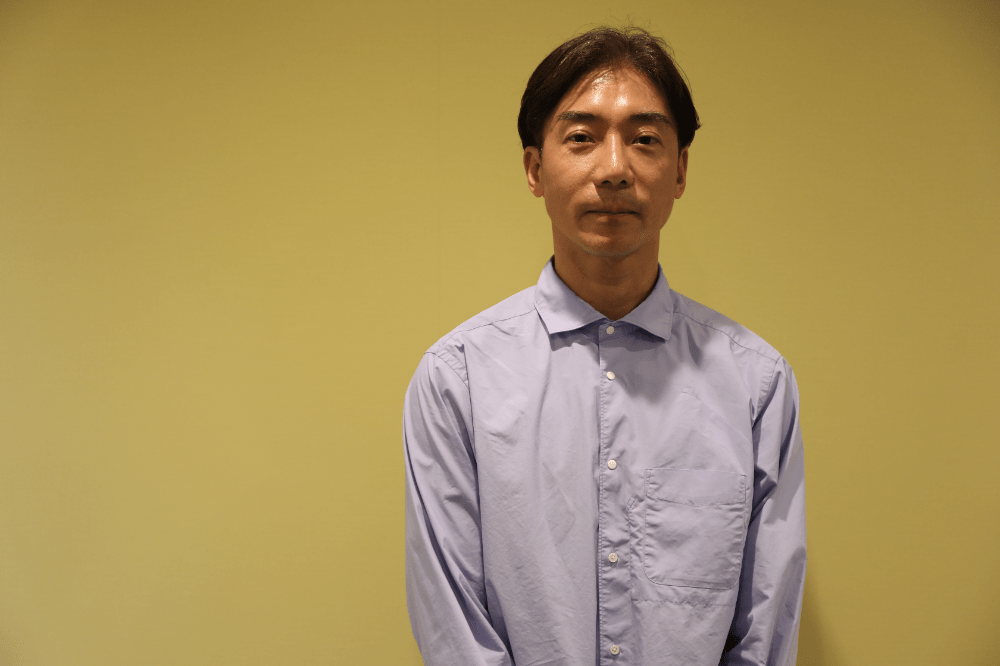
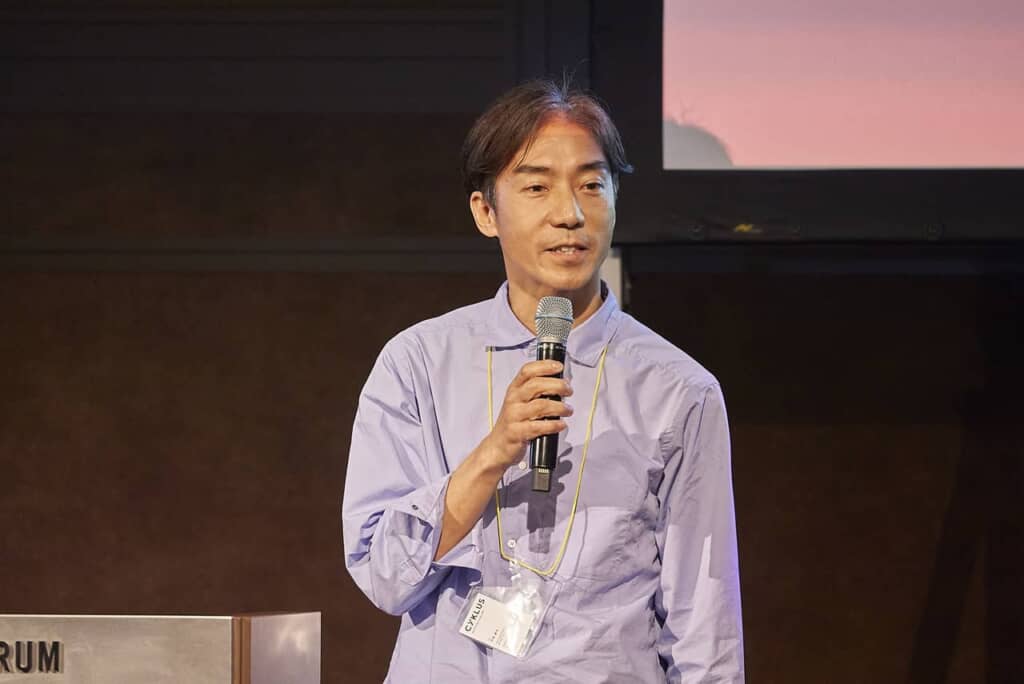
Takeo Hirata, CEO, CYKLUS LLC
Hirata graduated from the Faculty of Economics at Keio University in 1997. He worked at three apparel companies in sales, product planning, and marketing before joining Patagonia’s Japan office in 2015, where he served as Director of the Circularity division, leading the Worn Wear program, operating repair centers, and introducing resale business models. In 2024, he founded CYKLUS LLC, through which he supports apparel companies in building circular businesses and helps establish regional circular communities, working to spread a culture of repair and realize a circular society.
Founding CYKLUS with a wish to live at the earth’s own, slower pace
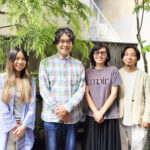
Mr. Hirata: CYKLUS was founded by three of us: myself, Chief Repair Officer Ako Kigawa, and Chief Design Officer Shinpei Hara. All three of us worked for many years at Patagonia, a company centered on outdoor apparel, and each of us brings specialized expertise—repair, production, marketing, and sales. Through our work at Patagonia, we confronted the challenges facing the apparel industry head-on. In particular, all three of us came to share a strong sense of the value of repair, and of the richness of spirit that comes from continuing to use things for a long time by repairing them. We decided to start a company to help solve the challenges surrounding repair and to spread that sense of value and richness more widely. We felt that stepping outside a manufacturer would give us more freedom to build a business focused specifically on repair.
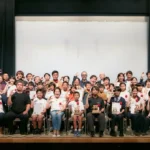
For the past three years, an event called DO REPAIRS, in which multiple apparel brands collaborate, has been held in Harajuku, Tokyo (the fourth edition is scheduled to run for three days starting October 24, 2025). The event repairs not only products from the participating brands but items of all kinds—and in a groundbreaking move, staff from each company share repair skills across brand boundaries. This experience directly fed into the concept behind CYKLUS.
The company name means “cycle” or “circulation” in Danish, and reflects our wish to live at a slower pace—one in keeping with the earth’s own natural rhythms and cycles.
The co-creative repair center: the basic scheme underlying CYKLUS’s repair business
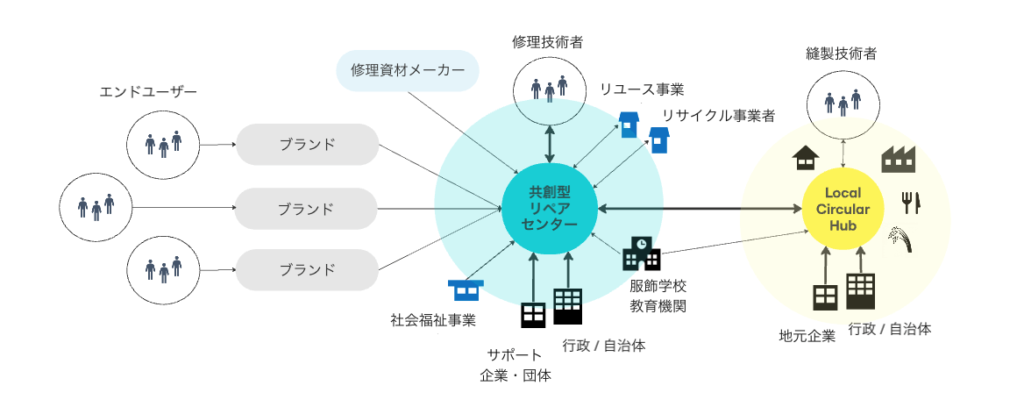
Mr. Hirata: To expand repair services more broadly, we want to build a co-creative repair center that brings together the brands that make the products, repair-material manufacturers, sewing factories, and repair technicians. We are considering partnerships both with companies positioned to lead the repair community and with brands that do not yet have much experience with repair.
There are many brands that want to repair their products but cannot, for reasons such as lacking skilled craftspeople, being unable to bear the cost of running their own repair center, or struggling to communicate the know-how needed to officially repair their own branded products to the people who need it. We want to be able to handle repairs for these brands’ products as well.
How the repair center engages with brands and end users
Mr. Hirata: We plan to offer two types of service. One is a repair service in which an end user’s product is brought to the repair center via the brand that made it, repaired, and returned to the same owner (ownership of the product does not change). The other is a repair-and-resale service, in which a product an end user has let go of is collected, repaired, and put back on the resale market (ownership of the product changes). In the case of resale, rather than selling the item ourselves through CYKLUS, we want to increase its economic value by having it sold as an official resale item under the brand’s own name. This won’t apply to every product—only to items above a certain price point. We hope brands will use CYKLUS’s repair service as a tool for deepening customer loyalty.
Looking ahead, it would be ideal to implement a digital product passport for each item, so that value is placed on repairing and using things for a long time, and so that a product’s value and price can be kept as high as possible even as it passes through second-hand, third-hand, and further resale cycles. We are also considering ways to remake and return to brands the materials they would otherwise have to discard—offcuts of fabric generated during manufacturing, for example.
Until around five years ago, many brands worried that repair services might have a negative impact on sales of new products. But we now sense a shift toward manufacturing on the premise that products will be repaired and used for a long time. More and more companies see this not just as a branding matter but as something that will be financially beneficial from a mid- to long-term perspective.
Linking the repair center with regional communities that host sewing factories, to revitalize local industry and grow the “related population”
Mr. Hirata: The factories to which the repair center outsources repair work—that is, the workshops that employ sewing technicians—need not be in urban areas. Since we plan to start with apparel products, we think regions where the textile industry is well established will be a good fit.
At present, we are considering a partnership with Fukui Prefecture. Fukui is one of Japan’s leading production centers for nylon and polyester, giving it the character of a “textile kingdom,” and it also has strengths in manufacturing and traditional crafts.
Fukui’s textile industry faces a challenge common across the industry as a whole: a certain amount of waste is generated in the production process. Historically, the region has thrived as a manufacturing center supported by craftsmanship in textiles, eyewear, lacquerware, and other fields, but in recent years it has faced declining everyday use of these products, an increase in cheap alternatives, and a shortage of successors to carry on the trade.
Through repair work commissioned from the repair center to these factories, we aim to explore new upcycling technologies and help create hubs for remaking and repair. We also hope to contribute to revitalizing local industry through connections with apparel companies and partners, and to growing the “related population”—student interns, people relocating to the region, tourists, and those living across two home bases. We want to build a regional circular community that involves local government, local companies, and sewing technicians.
The repair center as a hub for outreach, with a marketing dimension as well
Mr. Hirata: The repair center, which will function as a brand-facing repair reception point, will be launched jointly by several companies including CYKLUS and located in an urban area. We picture the center as a hub where brands and people gather, and we want it to serve as a base for disseminating a wide range of information—about repair, remaking, and activities in the partner regions. Even brands too small to promote the appeal of using products for a long time on their own can gain strength by communicating this message together.
We also want to shine a light not just on large corporations but on small and midsize brands, independent brands, and the factories where repair and remaking actually take place—places and people who have traditionally played a “behind the scenes” role in repair. We look forward to joining forces with brands and technicians who share this same commitment.
[CYKLUS official website] https://cyklus.jp/