※ This article is a translated and partially edited version of an article published in January 2026 on “Green Hub in Asia,” operated by the Yokohama City International Bureau. It was produced by Harch Inc., the company behind Circular Economy Hub, based on interviews with Yokohama City officials.
Cutting household waste by 43% in a major city whose population keeps growing.
This is one of the achievements that Yokohama’s residents and city government have accomplished together.
Behind that figure lies not cutting-edge technology, but a collaboration between citizens and government built on more than 15,000 conversations. That painstaking effort nurtured trust across different roles and has become the foundation of Yokohama’s resource circulation system today.
This series looks back at how Yokohama has pursued circular city-building and considers what lies ahead. In this first installment, we introduce the historical and cultural context that gave rise to Yokohama’s circular ambitions, and the resource-circulation initiatives that began with the G30 Plan.
How did Yokohama lay the groundwork that connects to its circular efforts today?
From Port Opening to Modernisation: The Open Spirit and Civic Pride That Yokohama Cultivated
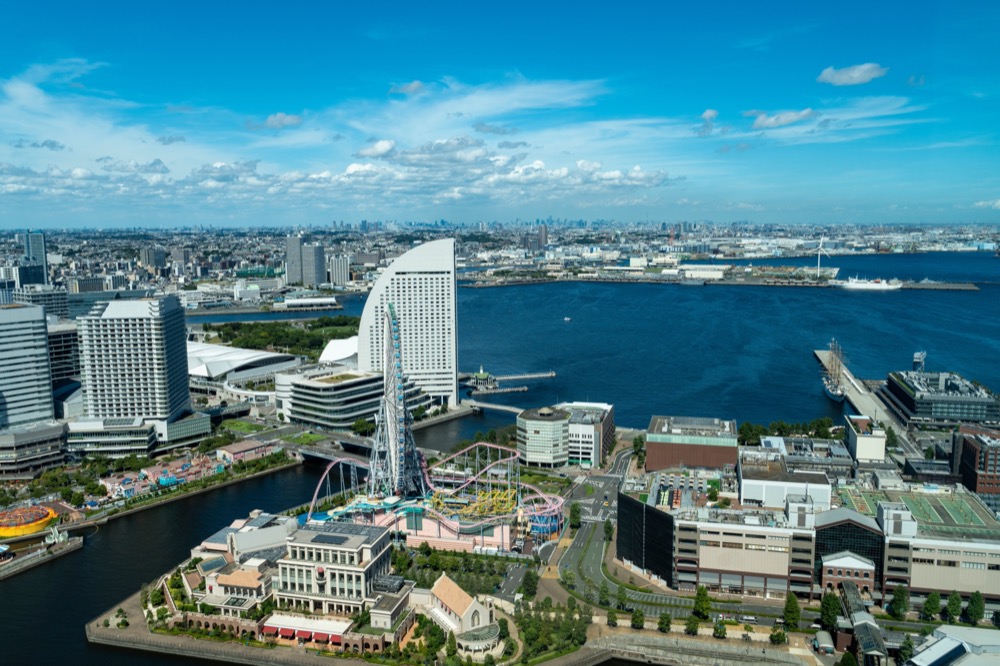
Yokohama’s origins as a city date back to the mid-nineteenth century. At the time, Japan had maintained strict limits on foreign contact for more than two hundred years under a policy of national seclusion known as sakoku. That silence was broken in 1853 by the arrival of Commodore Matthew Perry of the United States Navy. The event prompted Japan to open its doors to the world once again, and the small fishing village of Yokohama—then home to only a few hundred people—was chosen as the country’s first international trading port.
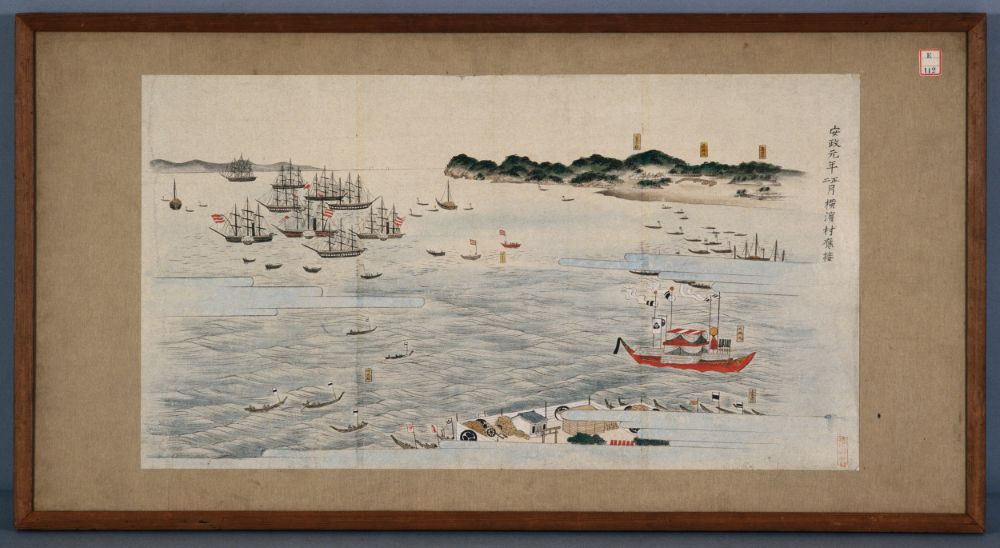
After the port officially opened in 1859, Yokohama developed into a dynamic city through which people, goods, and cultures flowed continuously, serving as Japan’s gateway to modernisation. Thirty years later, on April 1, 1889, the city was formally incorporated as “Yokohama City.”
While many of Japan’s major cities grew out of jōkamachi—castle towns governed by feudal lords—Yokohama’s identity as a “port-opening city” meant that merchants from across Japan and abroad built the city from scratch. Free from old conventions, they embraced diverse cultures, new values, and change itself, giving rise to a free and open-minded civic culture in which new livelihoods and businesses were constantly being created.
The strong sense of ownership—”we built this city ourselves”—and the deep attachment to the city, known as civic pride, are defining features of Yokohama’s community spirit. The fact that approximately 70% of respondents in the Fiscal Year 2023 Yokohama Citizen Awareness Survey (source: Yokohama City Policy and Management Bureau, Management Strategy Division) said they feel attachment to and pride in the city speaks to the enormous potential that Yokohama holds.
This spirit is also the origin of Yokohama’s proactive approach to building international partnerships and its emphasis on dialogue and collaboration with cities around the world.
The Waste Crisis That Became the Starting Point for “Circular City Yokohama”
Having cultivated its community spirit and grown its reputation as an international city, Yokohama saw its population rise steadily after the end of World War II in 1945.
From the 1960s onward, in the midst of Japan’s rapid economic growth, numerous factories were built in Yokohama’s port district, which borders Tokyo. People moved to Yokohama from across the country, causing the population to surge. Vast residential areas carved out of the surrounding hills provided housing for many, but the rapid urbanisation also placed enormous strain on the city’s infrastructure.
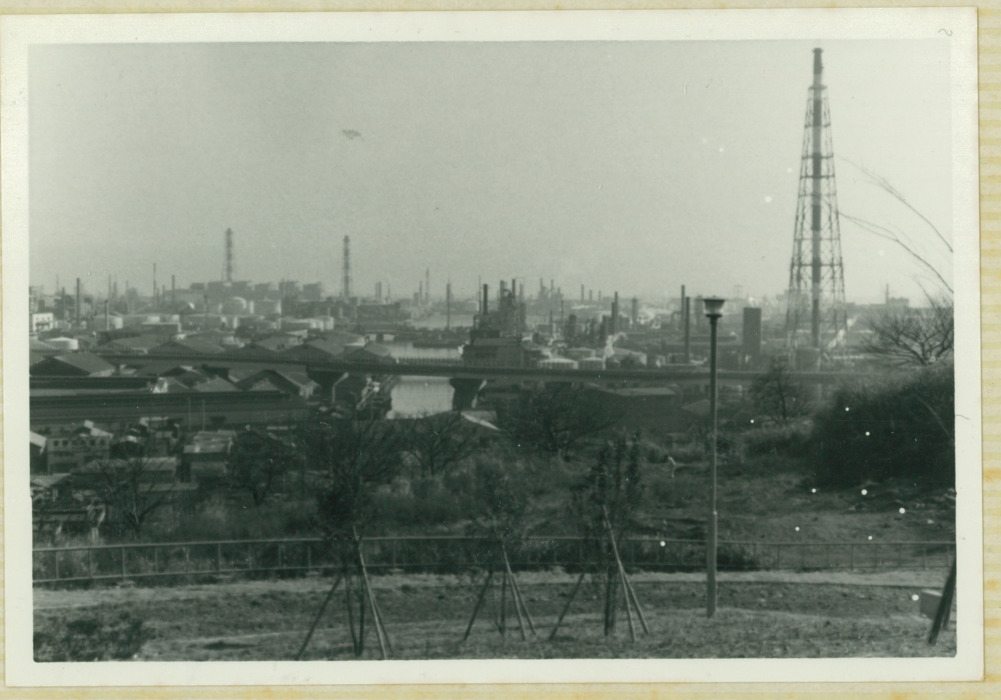
Among the challenges that emerged, the ever-growing volume of waste generated as residents’ living standards improved became a serious threat to the city’s sustainability. This is where Yokohama’s journey toward becoming a circular city truly began.
The first step was the Municipal Solid Waste Management Master Plan known as the “Yokohama G30 Plan” (hereafter “G30”), formulated in January 2003 against the backdrop of a looming crisis: the remaining capacity of the city’s landfill sites was running out. The target was to reduce the volume of waste* in fiscal year 2010 by 30% compared with the fiscal year 2001 baseline—an extraordinarily ambitious goal.
*The volume of materials disposed of as waste, excluding materials separated out as recyclable resources.
How could such a dramatic reduction be achieved in a major city with a growing population? The key, as Yokohama City saw it at the time, was sustained dialogue with residents to encourage behavioural change.
Resource Circulation Built Through Dialogue: The Story of G30
At the heart of G30, Yokohama City made the bold decision to expand its sorting categories from the existing 5 categories and 7 item types to 10 categories and 15 item types. This meant reclassifying many materials that had previously been lumped together as “combustible waste” and recognising them instead as valuable “resources”—a shift away from a waste-management approach centred on incineration and landfill, and toward a recycling-oriented society. For example, plastic trays and bottles that had contained food were to be rinsed clean and placed in the “plastic packaging” category. Finished newspapers and magazines were to be tied with string and left at collection points as “waste paper.” This careful household sorting by every individual resident forms the backbone of Yokohama’s system.
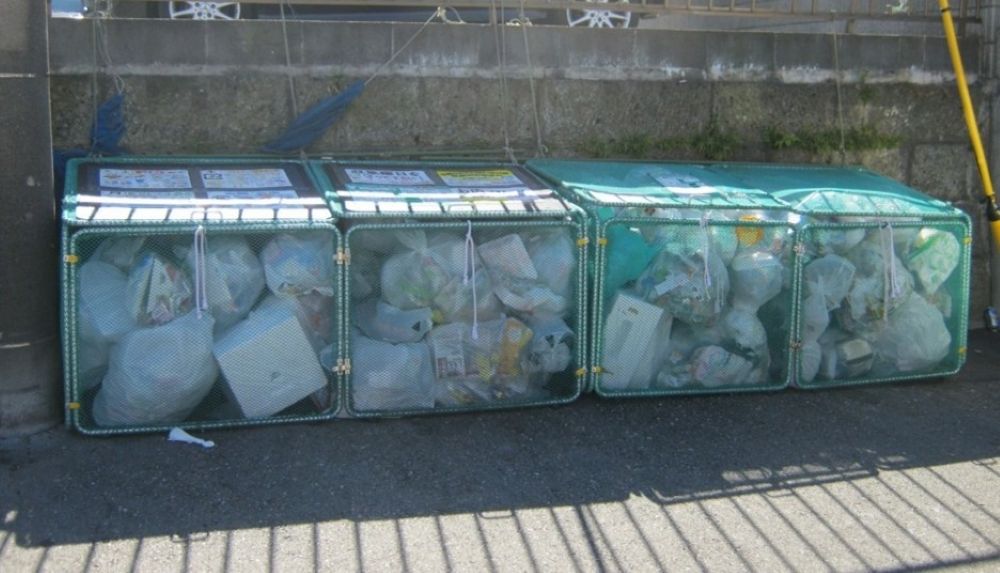
More complex rules inevitably place a greater burden on residents, but the reason these sorting rules took root in Yokohama was the “collaboration between the city government and its citizens.”
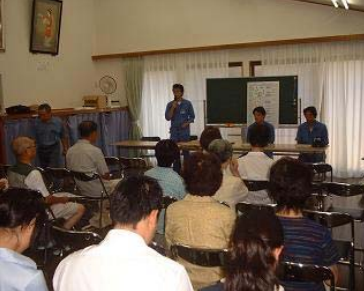
Yokohama City partnered with jichikai chōnaikai—neighbourhood associations that serve as the core of local communities. Yokohama has more than 2,800 such associations, with a combined membership of approximately 1.2 million households. Working with these associations, the city held resident briefing sessions across the entire city to explain the new sorting rules as part of the G30 Plan’s effort to embed the plan in local communities and change residents’ behaviour. The total number of sessions ultimately reached approximately 15,000.
The G30 initiative was also driven by a strong commitment from city officials to lead by example. In the early mornings, city staff could be seen at station entrances and waste collection points calling out: “Sorting is starting. Thank you for your cooperation.” Slogans were printed on all manner of materials, G30 theme songs played from garbage trucks, and awareness was raised through every available channel.
A staff member at Yokohama City’s Resource Circulation Bureau who was involved in the initiative at the time recalls: “We believed that the best way to explain sorting clearly was to meet residents face to face. So we made all kinds of handmade materials to explain the sorting categories and kept visiting communities in the evenings and on weekends, taking turns to hold briefing sessions. None of this would have been possible without the cooperation of the neighbourhood associations and the Environmental Promotion Commissioners (volunteer leaders selected from neighbourhood associations to promote environmental activities). By holding sessions in consultation with local communities and taking action together—distributing flyers, raising awareness—the circle of understanding and cooperation gradually widened.”
The results were clear. The volume of waste, which stood at 1.61 million tonnes in fiscal year 2001, fell to 1.53 million tonnes in fiscal year 2003, 1.32 million tonnes in fiscal year 2004, and 1.063 million tonnes in fiscal year 2005. Even as the city’s population grew by 8% during the G30 plan period, the target of a 30% reduction in waste (compared with fiscal year 2001) was achieved five years ahead of schedule.
These changes also made it possible to halt operations at three of the city’s seven incineration plants.
“When we first expanded the sorting rules under G30, the number of enquiries from residents asking ‘I don’t know how to sort this correctly’ surged, and the phones never stopped ringing. Even so, I believe it was the trust we built by working as hard as we could alongside local residents that led to the behavioural change and ultimately to the reduction in waste,” the official continues. These words speak powerfully to the impact that collaboration with citizens can achieve.
Building on the G30 Legacy: Toward a Recycling-Oriented Society Grounded in the 3Rs
The environmental awareness that residents developed through G30 remains a precious asset for Yokohama today. That spirit has been carried forward into current policies such as the “Yokohama 3R Dream (Slim) Plan,” which further promotes waste reduction (Reduce), reuse (Reuse), and recycling (Recycle), and the “Yokohama Pla 5.3 (Gomi) Plan,” which aims to achieve a decarbonised society and transition to a circular economy.
The current “Yokohama Pla 5.3 (Gomi) Plan” sets a target of reducing the volume of plastic waste in combustible waste by 20,000 tonnes by fiscal year 2030 compared with fiscal year 2022—equivalent to a reduction of 5.3 kg of plastic waste per resident per year.
As part of this plan, and in pursuit of higher-value resource circulation, Yokohama introduced new sorting rules in 2024 under which plastic products such as toothbrushes and toys—previously classified as “combustible waste”—are now collected separately as resources.
This was the first revision to sorting rules in approximately twenty years. Yokohama has drawn on the experience of the G30 era while also adapting to the times by incorporating digital advertising and other modern communication methods. Encouraging residents to reduce waste is particularly important and requires collaboration with citizens. To make the targets and plans easy for everyone to understand and feel connected to, the plan was named “Pla 5.3,” a play on the Japanese word for waste (gomi, read as “5.3” in a numerical pun).
The Challenge Continues: New Dialogues with the Waste and Recycling Industry
In addition to collaborating with citizens through the “Yokohama Pla 5.3 Plan,” Yokohama City is expanding its network of partnerships. One such initiative is the “Yokohama City Resource Circulation Promotion Platform,” a partnership with the city’s waste and recycling industry.
This platform was established in 2024 after approximately one year of discussions between Yokohama City and seven companies that play a central role in the city’s waste and recycling industry. It serves as a forum where manufacturers, distributors, and consumers on the production side of the economy can communicate with the waste and recycling industry, connect their respective needs, and advance collaborative projects.
As of January 2026, roughly one year after its launch, the platform is receiving twenty to thirty resource-circulation-related enquiries per year from businesses on the production side and others, and a number of successful matches have already been made.
For example, in August 2025, a city hotel and a zoo joined forces in a new initiative in which unused food from the hotel’s buffet is used as snacks for the animals—a project that demonstrates the potential for reducing food loss and keeping resources circulating within the city.
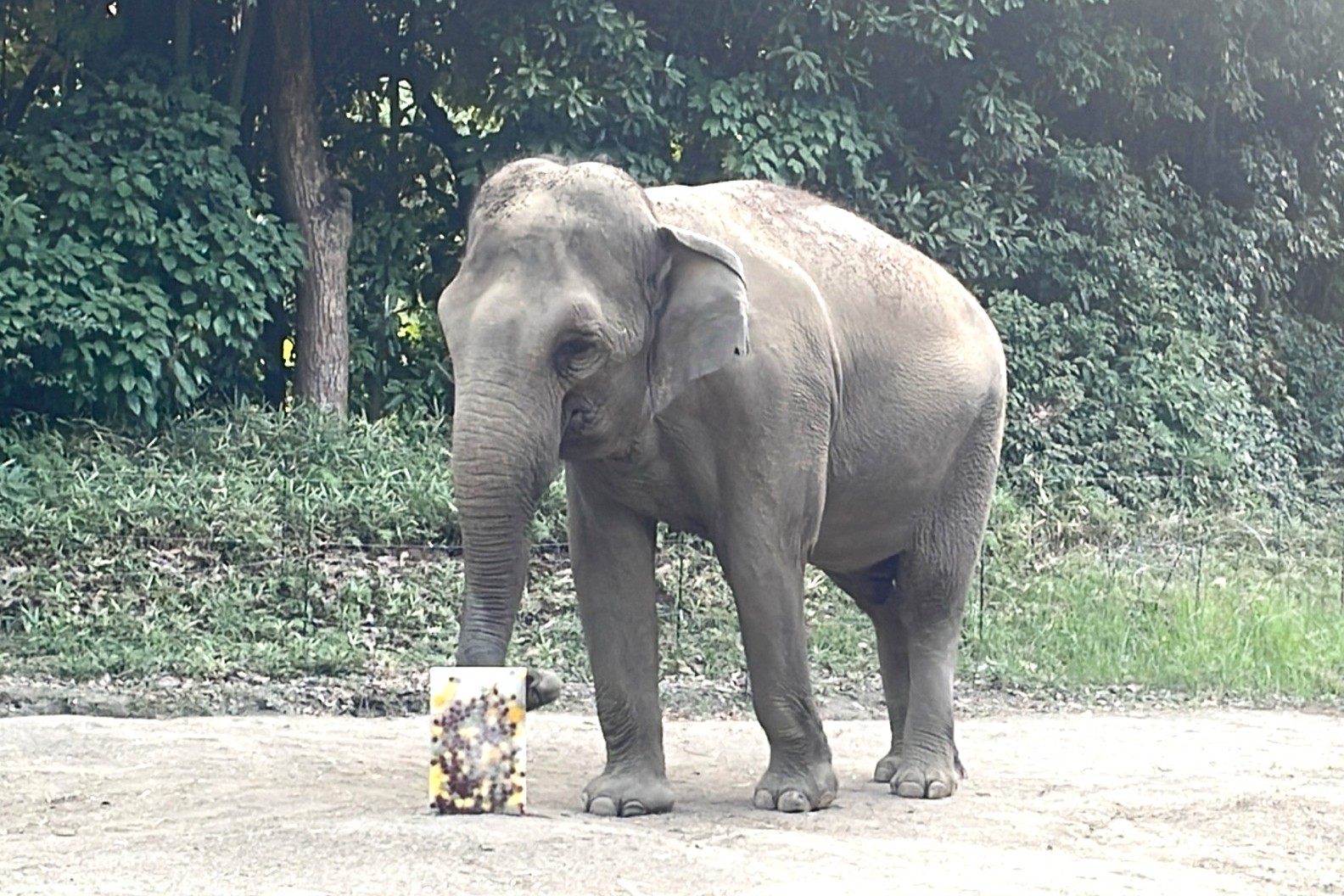
Other topics under active discussion between private companies and the city government include “creating local recycling businesses” and “transport systems for efficient resource collection,” with work progressing toward making these initiatives a reality.
Going forward, it is hoped that new business opportunities will emerge for local small and medium-sized enterprises and start-ups, and that a virtuous cycle of environment and economy within the city will be sustained and expanded by a diverse range of players.
Mutual Learning: Circular Collaboration Between Yokohama and Asia
The knowledge Yokohama has accumulated in citizen-participatory resource circulation and urban management has attracted international attention and serves as material for “mutual learning” as cities across Asia pursue circular city-building in their own contexts.
In 2009, Yokohama was recognised as one of the first six cities with proven success stories under the World Bank’s “Eco2 Cities” initiative, which aims to reconcile environmental sustainability with economic development. Since then, Yokohama’s experience in waste reduction and citizen collaboration has been featured as a case study and training material in programmes run by the World Bank and JICA (Japan International Cooperation Agency), with government officials and engineers from around the world visiting Yokohama to learn solutions to urban challenges.
Yokohama also works with the World Bank’s Tokyo Development Learning Center (TDLC), the Asian Development Bank (ADB), and the ADB Institute (ADBI) on cooperation through the Asia Smart City Conference (ASCC) and on knowledge-sharing and human-resource development through city-to-city partnerships.
This international dialogue and collaboration is itself one of the important elements driving the city’s circular ambitions.
Creative Forms of Circularity Born from a Foundation of Trust
The culture of collaboration nurtured by residents, businesses, and the city government is now firmly underpinning Yokohama’s transition to a “circular city.”
The city’s medium-term plan for 2026–2029, which was being finalised as of January 2026, clearly sets out a strategy for “transitioning to a circular city,” with cross-departmental efforts advancing across the city administration. Furthermore, at the Asia Smart City Conference 2025 in November 2025, the Asian Circular Cities Declaration was launched in partnership with ICLEI Japan, and Yokohama participated as the first city to sign the declaration.
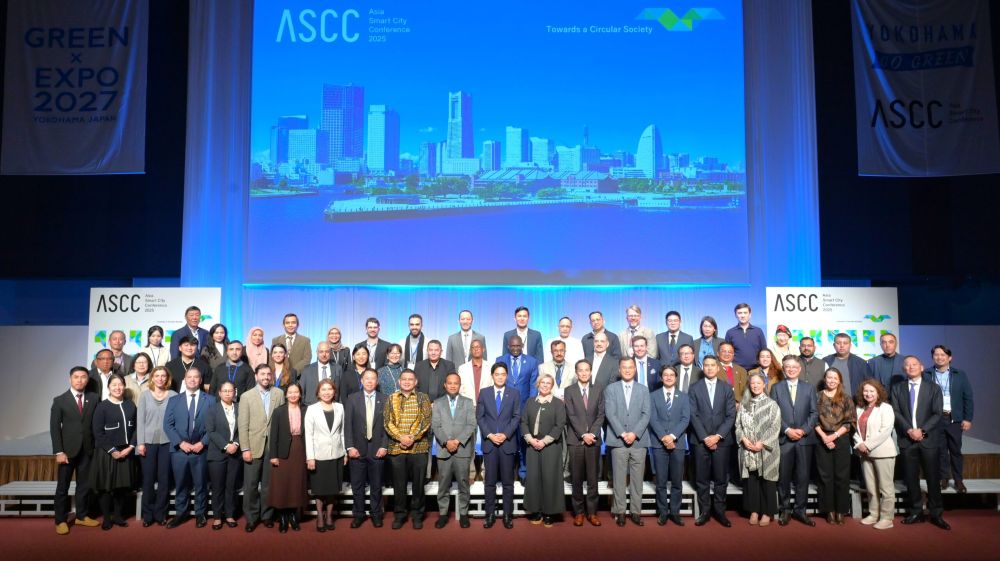
As a result, Yokohama’s circular economy efforts are no longer individual projects but are positioned as a medium-term city-wide strategy and as an important element within an international network of city-to-city collaboration.
City-building that draws on Yokohama’s deeply rooted history and experience, combined with partnerships across a diverse range of stakeholders, is entering a new stage that is accelerating the city’s “transition to a circular city.”
In the next article, we will introduce specific examples of “city-building centred on circularity” being pursued by various Yokohama City departments—including a project to revitalise historic buildings through the power of culture, and public-private partnership pilot projects in a cutting-edge business district. How is Yokohama drawing on its history to shape the city of tomorrow? Please read the follow-up article.
【Related article】How to Build a Circular City for a Sustainable Future: Circularity Starts with Cities That Act Without Waiting
【Related article】Collaboration Across the Value Chain and the Recycling Industry Is the Key to the Circular Economy: The Business Partnerships and Circular Possibilities Connected by the YRC Platform
【Related article】Recotech and Yokohama City Partner on Digital Waste Management via “pool”
【Reference】Population and Household Trends | Yokohama City Policy and Management Bureau
【Reference】Yokohama G30 Plan | Yokohama City Resource Circulation Bureau
【Reference】Yokohama 3R Dream Plan | Yokohama City Resource Circulation Bureau
【Reference】Yokohama Pla 5.3 Plan | Yokohama City Resource Circulation Bureau
【Reference】Yokohama City Medium-Term Plan 2026–2029 (Draft) | Yokohama City Policy and Management Bureau
【Reference】Yokohama City Neighbourhood Association Federation