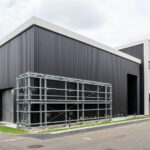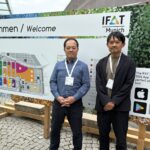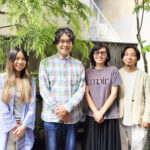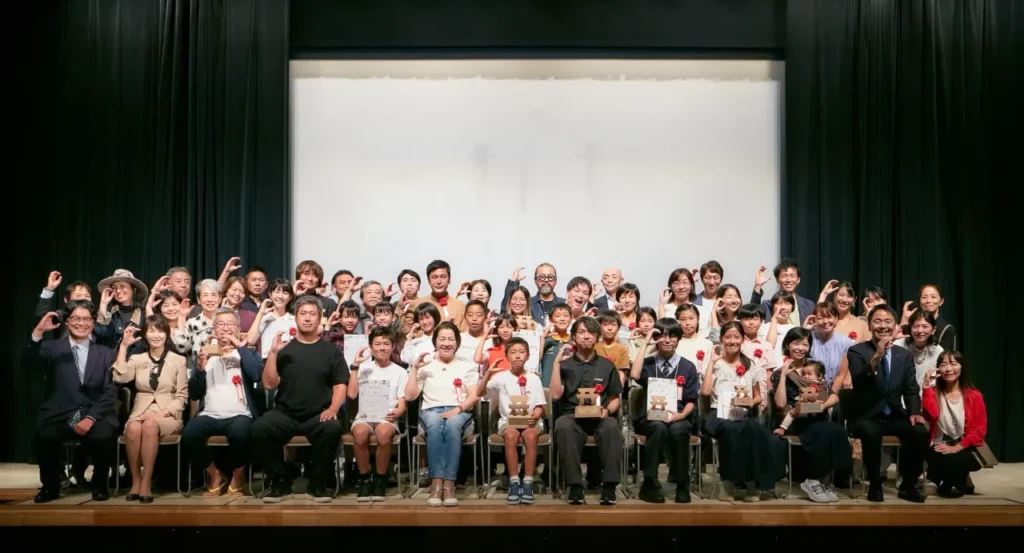
The Kamakura Circular Award, which supports circular town-building in Kamakura, Kanagawa Prefecture, has reached its second edition. Building on the results of the first round, this year’s event features new initiatives such as the launch of a Circular Academy and more implementation-focused startup support. Through interviews with the organizers of the Startup Category, this article reports on where the award currently stands and its future outlook. (Opening photo: The results announcement and awards ceremony of the first Kamakura Circular Award.)
As with the previous edition, the award is held across three categories: “Citizens’ Category,” “Business Category,” and “Startup Category.” Among these, the Startup Category plays a key role as a driver of Kamakura’s non-linear transition toward a circular economy. We spoke with Shingo Yoshizumi, facilitator of the Startup Category and representative director of Kaman Inc., and Naoko Minami, mentor for the category and representative director of nalu Inc.
Speaker Profiles
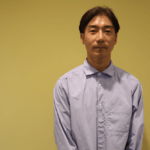
Shingo Yoshizumi, Facilitator, Kamakura Circular Award Startup Category (Representative Director, Kaman Inc.)
 After participating in new business development and the launch of a new business creation program at Sony, Yoshizumi founded Kaman Inc. at the end of 2020 with the aim of building a regional circular society. He launched Megloo, a community-wide reusable container sharing service designed to reduce single-use takeout containers. He holds a master’s degree from the Graduate School of Science and Technology at Keio University and an MBA from IE Business School in Spain. He is a senior researcher at the Keio University SFC Research Institute and a mentor at CIRCULAR STARTUP TOKYO.
Naoko Minami, Mentor, Startup Category (Representative Director, nalu Inc.; Regional Co-creation Business Producer; Researcher, Keio University SFC Research Institute)
 Minami supports the resolution of social issues through branding. She has built “good sharing lab” (a collaborative project with IBLC), a new regional co-creation solution model in which producers (companies) and users (local communities) work together to solve social issues, thereby achieving sustainable regional revitalization. She works with local communities from corporate R&D support through to product commercialization and social implementation, aiming to bring products to market while realizing regional circularity.
Citizens, Businesses, and Startups Supporting One Another
Professor Hiroya Tanaka of Keio University, chair of the award’s executive committee, emphasized in a previous interview that running all three categories simultaneously is a defining feature of this award. Behind this lies a growing need for circular economy policies that benefit both citizens’ daily lives and the local economy.
In the first edition, the Citizens’ Category received 61 entries. The gold award went to “Taketomi Brothers and Family” (proposed idea: “What Was Once Our Household Trash Becomes a Lifesaver — the Versatile ‘Cloth’ That Can Transform into Anything!”); the silver award went to “Eco Hero” (proposed idea: “Mieru-n,” a home composting and monitoring device); and the bronze award went to Saika Miyazawa (proposed idea: “Reducing Household Waste Together with Larvae”). The Machine Guns Takizawa Award (a special award) went to Yumiko Hara (proposed idea: “Packaging Material You’ll Be Happy to Receive”). All 52 entries can be viewed here.
The Business Category is a scheme that grants Kamakura’s own original zero-waste certification. In the first edition, 31 companies received the “Zero Waste Kamakura Certification.” Certified businesses are shown on a map and displayed around town, helping to raise their visibility.
The Startup Category received 25 entries from across Japan. The gold award went to JOYCLE Inc. (a distributed waste processing system), the silver award went to buoy LLC (which develops upcycled products from plastic waste that has washed ashore), and the bronze award went to Miyu Yagami (at the time; she has since founded Gaiapost Inc., which runs a biodegradable diaper business). Winners are introduced to local government officials, receive mentoring, and build an ongoing relationship with Kamakura. They also receive support that makes use of real-world venues, such as pop-up sales of their products at “Ethical-ya,” an ethical goods shop in Kamakura, and at the Kamakura Farmers Market. Organizers say entrants have had opportunities to receive valuable feedback from Kamakura residents, who are known for their strong environmental awareness.
“We Also Want to Produce Startups Born in Kamakura” — the Academy Launches
The award is organized under the “Symbiotic Upcycling Society Connected Through Respect” hub, which was selected for the Japan Science and Technology Agency’s (JST) “Program on Open Innovation Platforms with Enterprises, Research Institute and Academia (COI-NEXT).” Since this hub’s initiative runs from 2023 to 2032, its goals are necessarily framed with a medium-term outlook. As Yoshizumi explains, “COI-NEXT is a ten-year project, and three years have already passed. We keep discussing what kinds of companies we want to see based in Kamakura over the remaining seven years.”
In the first Startup Category, promising startups from across the country applied, but this also revealed certain challenges.
“Last time, we received applications from innovative startups nationwide, which was a positive outcome for Kamakura as well. On the other hand, out of the top eight winners in the Startup Category, only one team was actually based in Kamakura. Of course we welcome applications from startups across the country, but we also want to produce more circular startups from within Kamakura itself, and create ideas and examples that could realistically be implemented locally. However, we found that many applicants who didn’t win told us they didn’t know what path to take toward commercializing their business.”
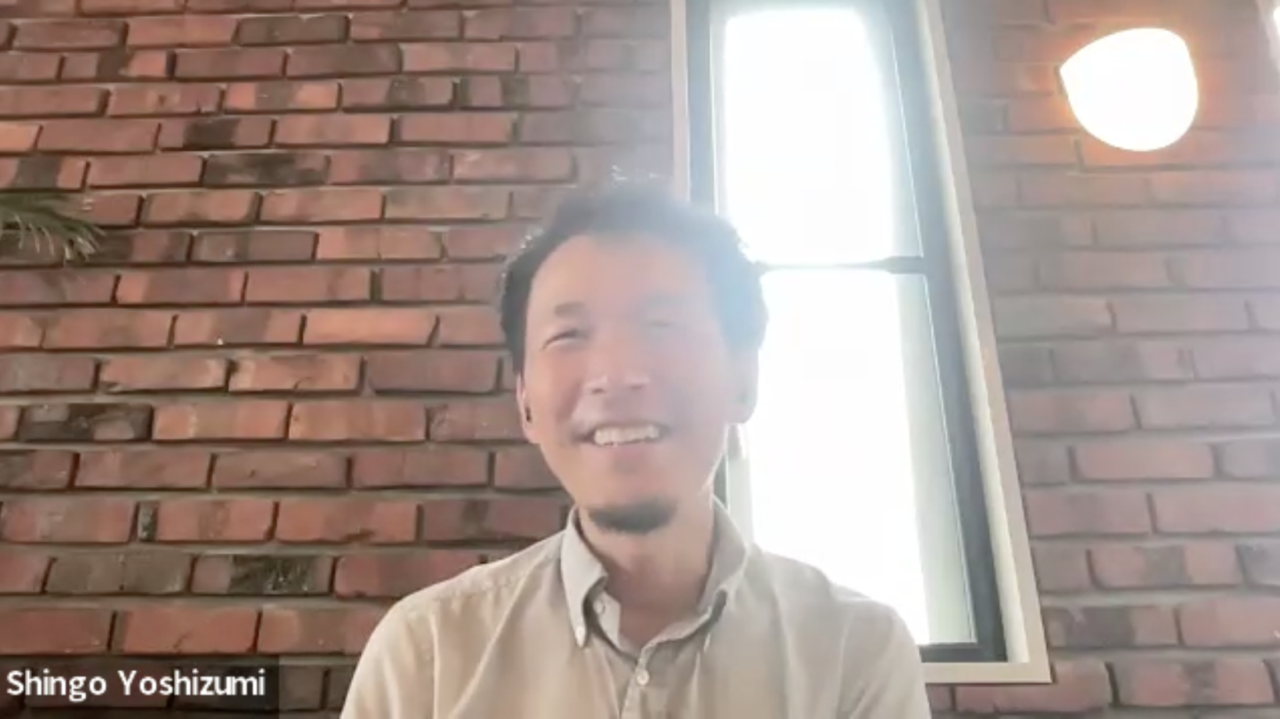
In response, the second edition introduces a new initiative: the Circular Academy, aimed at people with early-stage ideas.
A “Circulation of Knowledge” Through the Academy
This academy has several distinctive features. Four instructors based in Kamakura, including Yoshizumi and Minami, teach a four-part lecture series covering the basics of the circular economy, launching a business, PR, and funding. It is aimed at people who want to start a business in the circular economy field or startups that have already begun operating, but anyone can participate. More than half of registrants are reportedly still in the preparation stage of starting a business.
“What makes the Academy distinctive is that it offers content grounded in real examples from people actually implementing these ideas on the ground. Even though it’s delivered on video, I hope the Academy can become a place where a kind of ‘circulation of knowledge’ emerges through people sharing their insights with one another,” says Minami. Both Yoshizumi and Minami are entrepreneurs currently in the midst of driving circular businesses forward. Exposure to the practical knowledge they have each cultivated is bound to be inspiring for participants.

A “Gathering” That Drew 70 People into a Room Meant for 40
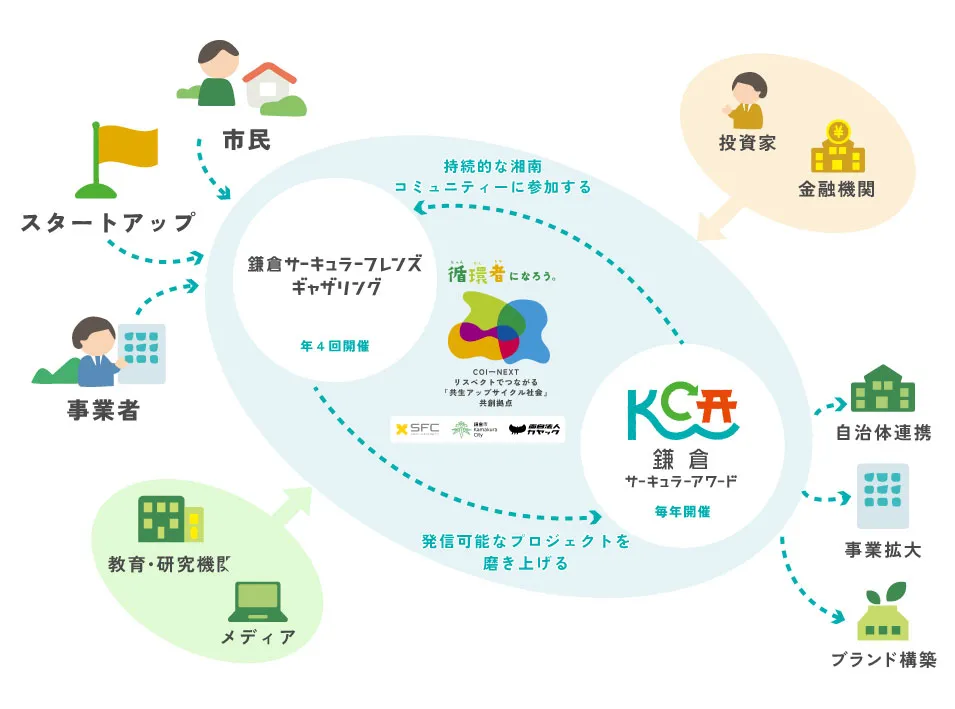
One thing that emerged organically out of the award is the “Kamakura Circular Friends Gathering.” Facilitated by “Kankei Annaijo Hatsuhinode,” a group that introduces the relationships between people and place in Kamakura, the gathering offers three kinds of content: “Ten Fun Five-Minute Pitches,” “Circular Food,” and “Circular Music.” Naturally, anyone can join. Each gathering reportedly draws large numbers of participants — on one occasion, 70 people showed up to a room with a capacity of just 40.
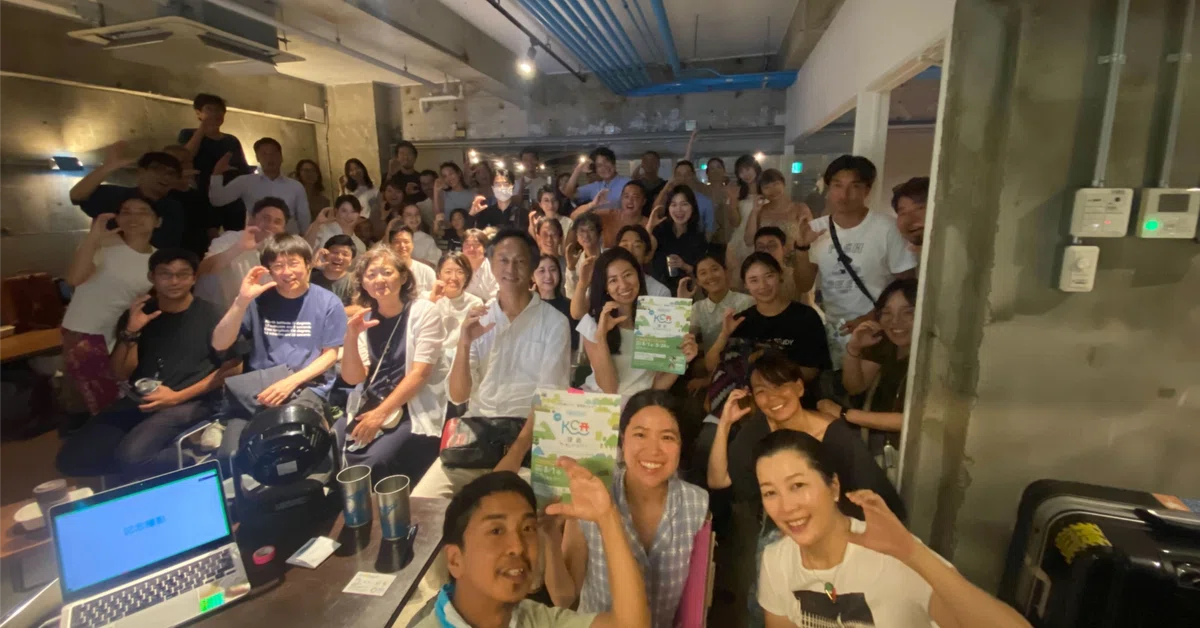
Each gathering brings together returning participants alongside many newcomers, making it “a fresh and welcoming community every time,” in Yoshizumi’s words. Some people join the Gathering first and later apply to the Award, while others take the reverse path — and together, these two initiatives are helping to build Kamakura’s circular foundation. “I’d like to see the Gathering and the Award work as two wheels driving each other forward,” says Yoshizumi.
“If You Have an Idea, Please Apply”
The bar for entering the Startup Category is low — a point both Yoshizumi and Minami stressed repeatedly.
“We’d genuinely like people to get involved even at the idea stage. This is something I’ve experienced myself: because local government officials are also involved, we hope applicants will use the fact that they applied and received feedback as a track record they can point to,” says Minami. Yoshizumi agrees: “The entry criteria are broad, so we’d love applications even from people who have had no connection to Kamakura before now.”
The Academy, the Gathering, and applications to the Startup Category — the doors are open wide. This time, too, the award is seeking startups from across the country that contribute to the circular economy. For anyone looking to do something in the circular economy space, this program seems tailor-made. Continued in “Kamakura Circular Award: Fostering Circular Startups Through a ‘Circulation of Knowledge’ (Part 2) — Exploring Its Distinctive Features.”
[Official URL] 2nd Kamakura Circular Award
[Official note page] Kamakura Circular Award Executive Committee
[Related article] Continued in “Kamakura Circular Award: Fostering Circular Startups Through a ‘Circulation of Knowledge’ (Part 2) — Exploring Its Distinctive Features.”
[Reference article] Aiming to Become a “Sacred Ground” for Circular Startups: The Background Behind the Kamakura Circular Award — Interview with the Executive Committee Chair and Others